








Dr. Jennifer Ashton’s anxiety attacks started to happen after she had a severe allergic reaction to a food. “I had a couple of episodes where I thought mistakenly that I had eaten that same food that I was allergic to,” said Ashton, ABC News’ chief medical correspondent and a board-certified OBGYN. “And even though I was not having any true physical symptoms of an anaphylactic reaction, once my mind went there, it was almost like a marble rolling off the edge of a table.”
“I started to feel dizzy. I started to feel chest tightness. My heart was racing. I was short of breath, but objectively, I was not having an allergic reaction,” she said. “And even though I recognized that I was having an anxiety attack, I was unable to stop it.”
Ashton spoke out about her own experience with anxiety during Mental Health Awareness Month to put a spotlight on a condition that is common but not always easily understood.
Anxiety is the feeling evoked when someone experiences fear of something bad happening, and it can lead to avoidance, attacks, excessive worrying or other symptoms. Everyone has anxiety sometimes, but when anxiety becomes overwhelming to the point it consistently interferes with daily life, or in the case of Ashton, prompts anxiety attacks that interfere with daily life, it can be an anxiety disorder, according to the U.S. Office on Women’s Health (OWH).
“Women are more than twice as likely as men to get an anxiety disorder in their lifetime”
Anxiety disorders are so common they affect about 40 million American adults every year, according to OWH.
And women are more than twice as likely as men to get an anxiety disorder in their lifetime, a discrepancy not yet completely understood from a medical perspective. Some experts say it may be due, in part, to women’s changing hormones and different responses to stress, and women may report symptoms of anxiety more frequently than men.
The prevalence of anxiety underscores that it is a serious mental health concern and not something to be dismissed by doctors or patients, according to Ashton.
“What I learned from my own experience with anxiety attacks is that I think a stigma occurs in a lot of society with people thinking that it’s not real, or it’s not serious or it’s insignificant because we all know that there’s no actual situation occurring,” she said. “But none of that matters. The physical manifestations, the symptoms that I felt when I experienced these anxiety attacks, were absolutely real.”
Ashton noted the coronavirus pandemic, an anxiety-inducing global event that has now lasted more than one year, should have highlighted for people the importance of taking anxiety seriously and treating it just as one would any other medical condition.
“There was not a week that went by that I didn’t hear from patients that they were experiencing anxiety,” she said. “I think what needs to happen is a very objective assessment, not only of ourselves as individuals, but collectively, and what’s going on in the world, so then you can say, ‘This is not surprising, really … it’s common. It’s understandable.'”
Click here to read the full article on ABC News.


According to the American Psychological Association, the country is facing a mental health crisis that could yield serious health and social consequences for years to come.
This was brought on by the stress created by the pandemic, leaving many people to feel anxiety and worry more. With that in mind, it’s crucial that people prioritize relaxing and reducing stress in order to protect their mental health. The good news is there are numerous things they can do to help them achieve that goal.
“Being busy became such a trend, as though busy equated success - now freedom and flexibility are the symbols of success,” explains Katie Sandler, personal development and career coach. “It’s hard for people to chill out when their systems are programmed to be going nonstop and working nonstop. It takes a minute to down regulate the system in order to actually reduce stress and chill out.”
In a Pew Research Center survey, at least 60% of the adults reported that they sometimes feel too busy to enjoy life, with 12% of them saying they felt that way all of the time. Living like this is one sure way to increase stress and anxiety levels. Having long term stress can lead to a variety of health problems, including heart disease, obesity, cognitive decline, and depression, according to the U.S. Department of Health and Human Services.
While many people want to reduce the stress in their lives, they are not always sure how to go about doing so. Here are 5 ways to chill out in a hectic life:
“You can’t continue to put off reducing your hectic and stressful lifestyle,” added Sandler. “Having a more relaxing life with less stress takes being proactive and making some changes. You have to put work into it, some of it may seem counterintuitive, but what you get back is beyond rewarding.”
Sandler has worked with many people to help them identify a plan for personal achievement, take steps to reach goals, and identify areas that need to be worked on. She provides people with meaningful tools that they can use to help bring calm and insight into their life. In addition to working with individuals, she offers luxury impact retreats.
Sandler has a bachelor’s degree in psychology anda master’s degree in mental health counseling, has a strong foundation in mindfulness-based stress reduction, and has worked in hospitals and private practice. She previously spent time as a research assistant while at Johns Hopkins, focusing on purpose in life. To learn more about Katie Sandler and her services, or to see the retreat schedule, visit the site: https://katiesandler.com/.
About Katie Sandler
Katie Sandler is a popular impact coach and provides health and wealth coaching and personal and professional development. She offers retreats around the world, as well as private coaching and corporate impact coaching opportunities. She focuses on helping people become more successful so they can live with purpose and make an impact in our world. To learn more about Katie or her services, visit the site: https://katiesandler.com/.
Source:
American Psychological Association. Stress in America 2020. https://www.apa.org/news/press/releases/stress/2020/report-october
Pew Research Center. How Americans feel about the satisfactions and stresses of modern life.https://www.pewresearch.org/fact-tank/2020/02/05/how-americans-feel-about-the-satisfactions-and-stresses-of-modern-life/
U.S. Department of Health and Human Services. Manage Stress. https://health.gov/myhealthfinder/topics/health-conditions/heart-health/manage-stress


By TMZ
Pro soccer player Carson Pickett made history on Tuesday … becoming the first player with a limb difference to hit the pitch for the United States women’s national team.
Pickett — who was born without a left hand and forearm — started for the USWNT in its 2-0 victory over Colombia … as the Red, White and Blue extended their home win streak to 69 games.
The 28-year-old defender — who plays for the NWSL’s North Carolina Courage — competed in the entire contest against Colombia.
Pickett’s coach, Vlatko Andonovski, spoke about her spot on the team … saying, “Carson did very well in training for us in last week and with the management of minutes for Emily Fox that we had, we felt like Carson would be a good replacement.”
“I’m happy that she was able to perform well for 90 minutes,” he added.
Pickett has been very open and transparent about her limb difference … acknowledging it publicly, but also embracing the reality of her situation.
In April — Limb Loss and Limb Difference Awareness month — Pickett spoke about it in an Instagram post, “While I know that I am confident and comfortable with showing my arm, I know there are so many people in the world who aren’t.”
She continued … “The feeling of being different and the anxiety of not fitting in is something that I have been through. Wearing sweatshirts in the dead heat of summer to hide my arm. This month is really really special, important, and should be celebrated.”
“I hope to encourage anyone who struggles with their limb difference to not be ashamed of who they are. I want to be an advocate for others like me, and for the longest time I didn’t use my platform well enough.”
Click here to read the full article on TMZ.


By Ishita Srivastava, Daily O
Barbie has been an icon and inspiration for women across the world. Since its creation in 1959, Barbie has evolved from being only a doll for young girls to a global symbol of ‘anything is possible’.
The doll, however, has a long history of lacking inclusivity, in terms of race and body shape. Celebrities like Kim Kardashian and Lizzo have made the non-Barbie body type ‘stylish’ and as social media is evolving to become a safe space for all body types and races, Barbie has begun making changes of its own.
Here are 5 groundbreaking Barbie dolls that promote body acceptance and racial diversity:
1. HEARING AID BARBIE
On May 11, Barbie’s latest Fashionistas line was announced and it was a reason for joy for many consumers with hearing disabilities. The new collection, for the first time, features a Barbie doll with behind-the-ear hearing aids.
The new line also features a doll with a prosthetic leg and a Ken doll with vitiligo.
Mattel’s Barbie team collaborated with expert and hearing loss advocate Dr Jen Richardson in order to accurately represent the doll.
“I’m honoured to have worked with Barbie to create an accurate reflection of a doll with behind-the-ear hearing aids. As an educational audiologist with over 18 years of experience working in hearing loss advocacy, it’s inspiring to see those who experience hearing loss reflected in a doll,” said Dr Richardson.
While in 2020, Mattel did release a Barbie doll with vitiligo, this is the first time a Ken doll has been released with the skin disease. (Read more about vitiligo Barbie here: 11 fancy Barbie dolls we wish we had in the 90s. Just like the Queen Elizabeth one)
2. DISABLED BARBIE
Barbie’s 2019 Fashionistas line marked the first time Mattel released Barbie dolls with physical disabilities. Available to buy since June 2019, the new line featured a Barbie doll with a prosthetic leg and another doll with a wheelchair.
Similar to Mattel’s collaboration with Dr Richardson to create a Barbie doll with hearing aids, Mattel joined hands with 13-year-old disability activist who was born without a left forearm, Jordan Reeves in 2019 to create the Barbie doll with a prosthetic leg.
Mattel also worked with the UCLA Mattel Children’s Hospital and wheelchair experts to design the Barbie doll with a wheelchair.
Not only the physically disabled Barbie dolls, Mattel also introduced a Barbie DreamHouse compatible ramp to promote infrastructure accessibility for the physically disabled.
3. BODY POSITIVE BARBIE
Back in January 2016, Mattel announced that Barbie will now be available to buy in three new body shapes; tall, petite and curvy, marking the first time the popularly skinny doll was available in other body types.
At the time, spokeswoman Michelle Chidoni explained that the new Barbie dolls will allow “the product line to be a better reflection of what girls see in the world around them.”
4. ASIAN BARBIE
Named Oriental Barbie, Mattel’s first Asian Barbie doll was released in 1981. The collector doll was a part of Barbie’s Dolls of the World collection.
The Oriental Barbie was released in a long yellow dress with red trimmings and a red and golden-flowered jacket. Oriental Barbie described herself as from Hong Kong. Since Oriental Barbie was the first Barbie of its kind, the face sculpt came to be known as the Oriental / Miko / Kira Face Sculpt.
While Mattel did release an Asian Barbie in 1981, it was ultimately in March 2022 when the toymaker released its first Desi Barbie. To celebrate Women’s History Month, Mattel released a South Asian Barbie who was modelled after Deepica Mutyala, the founder and CEO of makeup brand Live Tinted.
Click here to read the full article on Daily O.

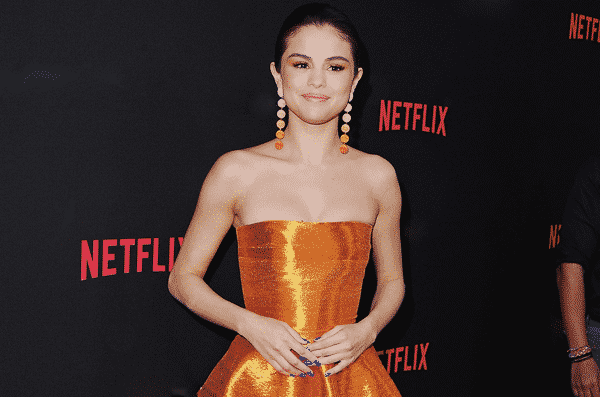
By Julie Mazziotta, People
Selena Gomez doesn’t care about her weight — and wishes other people wouldn’t either.
On Sunday, the actress and singer, 29, called out the body shamers who feel the need to comment about her looks. Talking on her TikTok Stories, Gomez said that she tries to limit her fast food meals, but sometimes goes all in. “So I be trying to stay skinny, but I went to Jack in the Box and I got four tacos, three egg rolls, onion rings and a spicy chicken sandwich,” she said, E! News reported.
The Only Murders in the Building star said that it doesn’t matter, because no matter what she does people will still criticize her body. “But honestly, I don’t care about my weight because people bitch about it anyway. ‘You’re too small,’ ‘you’re too big,’ ‘that doesn’t fit.’ ‘Meh meh meh meh.'” “Bitch, I am perfect the way I am,” she added. “Moral of the story? Bye.”
Gomez — who underwent a kidney transplant in Sept. 2017 due to complications from lupus — has previously explained that her health issues cause “weight fluctuations” that used to bother her.
“I have lupus and deal with kidney issues and high blood pressure, so I deal with a lot of health issues, and for me that’s when I really started noticing more of the body image stuff,” she said in an interview with friend Raquelle Stevens on her video podcast Giving Back Generation in Nov. 2019.
The “Lose You to Love Me” singer said that the “combination” of her lupus and the medication she needs alters her weight.
“It’s the medication I have to take for the rest of my life — it depends on even the month, to be honest,” Gomez said of her weight changes. “So for me, I really noticed when people started attacking me for that. And in reality, that’s just my truth. I fluctuate. It depends what’s happening in my life.”
Click here to read the full article on People.


By David Artavia, Yahoo! Life
Selena Gomez is taking her passion for mental health advocacy to new heights.
On Monday, the singer, actress and entrepreneur celebrated the launch of her multimedia company Wondermind alongside her two co-founders, her mom Mandy Teefey and fellow mental health activist Daniella Pierson. The new platform aims to be a free resource to help users navigate their own mental wellness. The 29-year-old, who has spoken candidly about living with bipolar disorder, says she wants to use her own experiences as a conduit to help others, particularly as it pertains to the toxicity of social media.
“I haven’t been on the internet in four and a half years,” Gomez said in an interview with Good Morning America. “It has changed my life completely. I am happier. I am more present, I connect more with people. It makes me feel normal.”
Last year, she told InStyle she “created a system” where she doesn’t know the passwords to her social media accounts — a step she said was necessary in order to focus on herself.
The Only Murders in the Building star explained that “growing up in the spotlight has definitely taught me so much.”
“I can’t believe that I am where I am mentally just because of how I took the necessary steps in order to kind of remove myself from that because it’s just not normal,” she said.
Gomez, who has spoken candidly about living with bipolar disorder after publicly revealing her diagnosis in April 2020, says her mental health journey has been “freeing.”
“I started to have a relationship with myself,” Gomez said. “I think that’s the best part. I’ve probably been the happiest I’ve ever been.”
With Wondermind, Gomez says she wants “people to be understood and seen and heard. It’s OK to not be OK.”
“If I’m known for anything I hope it’s simply just for the way I care about people,” she added. “Those days where I don’t want to get out of bed, if I had something like Wondermind, even if it took me a minute to get into it, it’s just there. And there’s something that’s really comforting about that.”
Now, as the star is getting closer to turning 30, she hopes to take all the lessons she learned in her 20s and apply them to a better future.
“I couldn’t be more thrilled to step into this chapter. Alone, independently, strong, confidently,” she said. “That’s all I really want, you know?”
This isn’t the first time Gomez has spoken openly about her mental health.
In an interview with Elle magazine last year, she touched on the public scrutiny she faced over the years — including a very public breakup with Justin Bieber, undergoing a kidney transplant due to her lupus diagnosis and seeking mental health treatment.
“I don’t even know what they really believed I was doing — drugs, alcohol, running around, partying,” she explained of the negative press she endured. “The narrative was so nasty.”
Click here to read the full article on Yahoo! Life.


By , NBC News
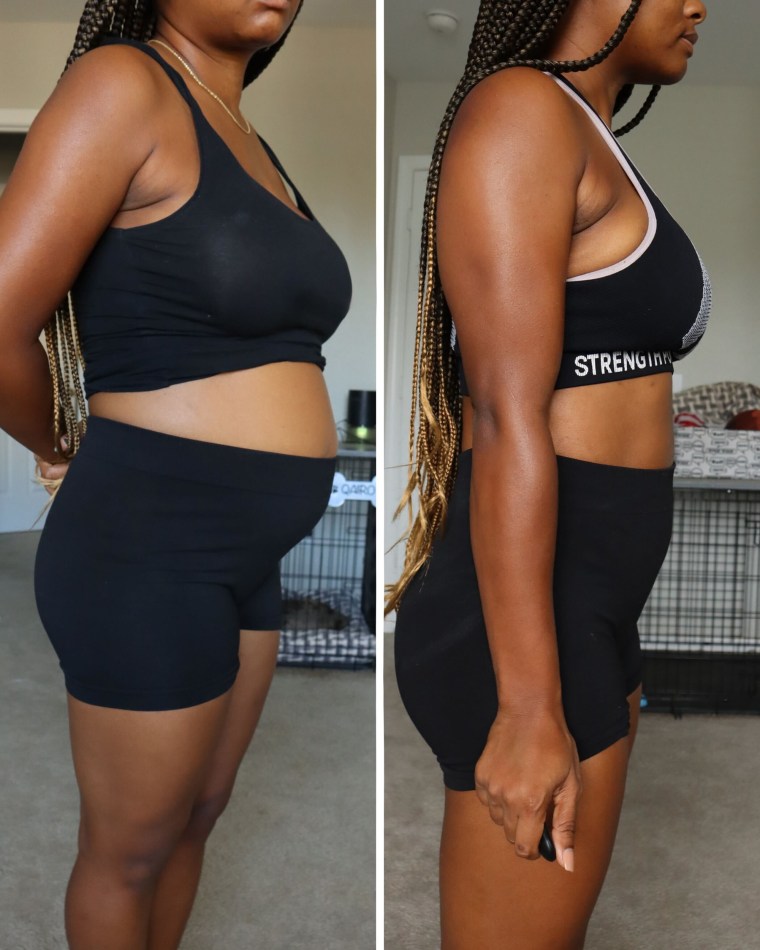
When Daye Covington visited her doctor for a routine physical last year, she expressed concern about weight gain in her belly that she said made her look seven months pregnant. But she knew she wasn’t pregnant, and she had a healthy lifestyle. An MRI revealed that she had multiple uterine fibroids — noncancerous growths in the uterus — the size of cantaloupes.
“First, I was relieved to know that I was not pregnant because I was not trying to be pregnant,” she told NBC News, “and then I was scared because I didn’t know much about fibroids.”
Uterine fibroids are rarely discussed, despite being a common condition, particularly for Black women. Experts say that by age 35, about half of Black women have had them, and by age 50, 80 percent of Black women have them, compared to 70 percent of white women. Black women are also more likely to have higher fibroid growth than other racial groups. While most cases require no treatment, in some instances, they can cause weight gain, heavy periods, frequent urination or pelvic pain, and they may require surgery.
Now, some Black women, like Covington, who shared her experience on are speaking up about their struggles and are encouraging others to educate themselves about the condition, so they can identify the symptoms and seek treatment, if necessary. Former star of “The Real Housewives of Atlanta” Cynthia Bailey, 55, recently shared her experience with uterine fibroids with People, saying she endured heavy bleeding during periods, fatigue and an expanded belly, which led fans to assume she was pregnant. She also said her mental health took a toll.
“It’s very hard to be in a good space mentally when you’re bleeding all the time and when you don’t have any energy, and you’re anemic,” she told the magazine.
While all women are at risk for developing uterine fibroids, Black women are disproportionately affected, with one study showing that Black women are three times more likely to develop them than white women and that Black women are more likely to need surgical treatment.
The reasons for this disparity, however, are less clear, said Eric Hardee, a physician and co-founder of Houston Fibroids and Texas Endovascular Associates. A family history of fibroids increases a woman’s risk. Obesity, diet and environmental factors may also play a role. Hair relaxers have also been linked to increased risk of uterine fibroid development.
Black women may also be less likely to seek help.
Cynthia Talla, 28, said despite her severe symptoms, she felt like she had to endure her pain alone. When she did seek help after dealing with fibroid symptoms as a teen, Talla said the medical professionals made her feel that Black women are able to bear the pain.
After Talla had surgery in 2020, she recalled telling her mother how good she was finally feeling.
“I remember crying, like, ‘I can’t believe I didn’t feel like this for years,’” she said. “So it’s very bad.”
Sara Harris, who serves on the board of the reproductive health organization Resilient Sisterhood Project, agreed.
“I do think there’s that superwoman phenomena, that Black women can do it all,” she said, “and speaking from my own personal experience, not wanting to ask for help because you know that you can take care of your own stuff, and you have to take care of everyone else around you at the same time.”
Harris added that many Black women also feel a taboo talking about these issues. Resilient Sisterhood Project offers support groups and virtual webinars with Black health experts to answer questions about topics on endometriosis, infertility and HPV, as well as training for universities and health care organizations about reproductive health and Black women’s needs in accessing health care.
Another issue with uterine fibroids, Harris said, is that they’re often misdiagnosed.
“Black women might be misdiagnosed for having an STI [sexually transmitted infection] or misdiagnosed for being pregnant or treated for preventing pregnancy, rather than looking at sort of what could be a deeper cause of the same symptoms that a Black woman is facing — like pelvic pain or prolonged menstrual bleeding,” Harris said.
Click here to read the full article on NBC News.

March is National Nutrition Month, making it a great time to talk about what we eat. Sure, most people know what a healthy diet looks like, but truth be told, they don’t follow it. However, the problem with this is that it’s leading to a myriad of health problems. Junk food, fast food, and highly processed items may be convenient and taste good, but they are not good for the body. It’s time to get serious and make some healthy changes.
“We all get stuck in ruts, where we are doing the same thing over and over,” Jennifer Scherer, certified personal trainer and owner of Fredericksburg Fitness Studio. “Oftentimes, these things we are doing are unhealthy. We have to change the habits that we have, so they are helping us, rather than hurting.”
According to the Centers for Disease Control and Prevention (CDC), the percentage of the adult population considered obese continues to rise. The latest figures show that 42% are obese, and obesity increases the risks of heart disease, stroke, type 2 diabetes, and certain types of cancer. All conditions, which they point out, are largely preventable through diet and lifestyle.
Here are some expert tips on how to make changes to your diet to make it healthier:
“Start making changes with your diet, and you will see how quickly they make a difference,” adds Scherer. “When you eat a healthier diet, you will feel better and have more energy, in addition to reducing the risks of many diseases. We have to make good nutrition a high priority.”
To get in the habit of eating healthier, make a list of meals that will be made and shop only for the ingredients needed to make them. Avoid shopping while hungry, and try to stick to the store’s perimeter, avoiding much of the highly processed foods in the middle.
Fredericksburg Fitness Studio offers personalized fitness programs, including customized fitness training programs. Their private personal training studio offers a range of services to improve health and wellness, including medical exercise, personal training, in-home medical training, virtual personal training, nutrition coaching, and a Pilates reformer program.
Unlike typical fitness studios and gyms, Fredericksburg Fitness Studio doesn’t offer memberships. They also don’t have big crowds of people working out together. They offer private customized fitness programs that are available by appointment. Their nutrition coaching program is offered virtually and covers three months to help ensure accountability and success. Their Pilates reformer program uses a variety of machines with a customized routine.
Many people who go to the studio are referrals from physical therapists and doctors. The wellness professionals at the studio communicate with the medical teams to keep them up on patient progress. To learn more about the Fredericksburg Fitness Studio, visit the site at: https://www.fburgfitness.com.
About Fredericksburg Fitness Studio
Founded in 2008, Fredericksburg Fitness Studio offers personalized fitness programs, nutrition coaching, and medical training. The private personal training studio was started by Jennifer Scherer, who has a background in human physiology, anatomy, nutrition, weight training, and exercise. The studio has a team of people working to help people reach their health and wellness goals. To learn more, visit the site at: https://www.fburgfitness.com.


By Stephen Garner, Yahoo! Life
Alicia Keys is lending her powerful voice to a strong cause.
The 15-time Grammy Award winner has joined forces with Athleta to further their mutual commitment to women’s well-being.
As such, Keys has signed on to Athleta’s “Power of She Fund” grant program as a mentor and advisor. According to Athleta, Keys will also work with the brand to connect with women through “meaningful community conversations” in AthletaWell, the retailer’s digital community that supports women’s well-being.
And, on International Women’s Day, which is March 8, the duo will release the Athleta x Alicia Keys collection. Athleta, a division of Gap Inc., said the collection will have exclusive products co-created and co-designed by Keys, who worked alongside the brand’s all-female design team. Among the items, which will be available in sizes XXS-3X on athleta.com and at all Athleta retail locations, will be Keys’ favorite piece — a pink jumpsuit. More details of the collection will be released closer to the launch, according to Athleta.
“Alicia has made a powerful commitment to well-being and we are thrilled to welcome her to Athleta’s community of empowered women,” said Mary Beth Laughton, president and CEO of Athleta. “With a values-driven partnership like this one with Alicia, we are ideally positioned to continue to meet our customer’s needs in the well-being space and support her across all aspects of her life.”
“I was drawn to Athleta because we both want to encourage women to discover, accept and own their power,” added Keys. “We’re all about the uniqueness of women, body positivity and creating a lifestyle that showcases our immeasurable power within. It’s time to thrive – not just to survive – and my hope is that these offerings are another outlet for you to amplify your personal power, your possibility, and feel comfortable in your own skin.”
Keys joins a roster of powerful, like-minded partners, including Simone Biles and Allyson Felix.
Biles, a former Nike athlete and the country’s most-decorated gymnast, signed a long-term partnership with Athleta in April 2021. The deal includes a signature performance wear line designed with Athleta’s team and capsule collections for the company’s Athleta Girl sister brand.
Click here to read the full article on Yahoo! Life.


By Nicholas Rice, People
Bella Hadid is speaking honestly about her mental health.
The 25-year-old supermodel spoke to WSJ. Magazine for the publication’s “My Monday Morning” series, where she opened up about her mental health struggles, which she described as “excruciating and debilitating.”
When asked by the publication what her secret is to putting together her outfit in the morning, Hadid explained that she hasn’t had a stylist “in a long time, maybe two years now,” and she was “in such a weird place mentally that it was really complicated for me to get out of the house and put an outfit together, especially with the anxiety of [paparazzi] being outside and all that.”
But, after learning to deal with her anxiety and other mental health struggles, Hadid said she learned to embrace her fashion and dress in a way that makes her happy.
“In the last year, it was really important for me to learn that even if people talk about my style or if they like it or if they don’t, it doesn’t matter, because it’s my style,” she noted. “When I leave the house in the morning, what I think about is: Does this make me happy? Do I feel good in this and do I feel comfortable?”
In her interview with WSJ. Magazine, Hadid continued to chat about her own mental health, as well as what her thought process was behind an Instagram post she shared in November, where she posted a series of selfies of herself crying.
“I would have really depressive episodes and my mom or my doctor would ask how I was and instead of having to respond in text, I would just send them a photo,” she said. “It was the easiest thing for me to do at the time because I was never able to explain how I was feeling.”
“I would just be in excruciating and debilitating mental and physical pain, and I didn’t know why. That was over the past three years,” she continued. “[When I posted them] it was to make sure that anybody that was feeling that way knew it was OK to feel that way.”
Added Hadid: “Even though on Instagram things look so beautiful, at the end of the day, we are all cut from the same cloth. I felt like it was just good for me to be able to speak my truth and at some point I wasn’t able to post nice pretty pictures anymore. I was over it.”
Click here to read the full article on People.


By Stephanie Emma Pfeffer, People
Karena Dawn doesn’t shy away from hard conversations.
The co-founder of Tone It Up is launching a new charitable organization, The Big Silence, to normalize discussions about mental health issues.
“I’ve been wanting to create a foundation and a resource for many years,” says Dawn, who was just 12 years old when her mom was diagnosed with paranoid schizophrenia and depression.
“[My mom] was in and out of the house many times, from being a missing person to being in the hospital,” Dawn tells PEOPLE exclusively. “And it was in the ’90s, so no one was talking about mental health.”
As a teenager, Dawn tried to research mental illness and schizophrenia at the library. “There were no resources out there for me to lean on,” she recalls. “It kind of sent me in a spiral of my own situational depression, drug abuse, suicide attempt and losing a lot of friends because no one around me was talking about it.”
That’s why she believes so strongly in offering support for those who are struggling. “There’s a stigma around mental health,” says the NYT bestselling author. “That is what The Big Silence is: It’s the thing you don’t want to talk about. At The Big Silence, we are here to break the silence.”
The content platform, which she leads with her sister Rachel Sahaidachny as executive director, is dedicated to normalizing conversations around mental health through online and social content, as well as a podcast hosted by Dawn.
“Because of my mom’s mental illness, I went through a really dark period — from about 12 years old until about 22,” she says. “I was at a breaking point.”
She found light again by focusing on fitness. “I was on a three-day bender and was thinking back about when I was my happiest,” she says. “It was when I was running, and I was active and I was working out.”
“At that time I thought, in my own depression, that I was going to end up like my mom, so I didn’t believe in myself.” But she decided to do something positive and signed up for a triathalon. “I trained my butt off and did the race,” she says. “I crossed the finish line, like ‘Wow, like I accomplished something.’ ”
From then on, she says, she wanted to teach people that movement is medicine, which led to her co-founding Tone It Up in 2009 and further dedicating herself to not only her physical health but her mental health as well, through self-help books, therapy and meditation.
Click here to read the full article on People.