




By Hannah Ryan, CNN
Naomi Osaka discovered what it’s like to be at the sharp end of a sporting governing body’s regulations this summer.
The four-time grand slam singles champion declined to attend press conferences as she began her French Open campaign in June — citing the importance of protecting her mental health and addressing the toll that media interviews had previously taken on her.
The French Open organizers responded by fining the world No. 2 an amount of $15,000 and threatening to expel her from future grand slams, after they deemed her withdrawal from press conferences as a failure on her part to meet “contractual media obligations.”
Osaka made the decision to withdraw from Roland Garros altogether, then skipped Wimbledon, before returning to play at the Tokyo Olympics.
What’s happened to Osaka over the last few months has left many critical of her sport’s handling of the situation, and wishing those who govern her sport had adopted a more empathetic and sensitive approach given she was dealing with mental health issues.
In fact, just after Osaka said she would be opting out of speaking to the press at the tournament, the French Open official Twitter account posted a since-deleted tweet that included photos of four other players engaging in media duties — Coco Gauff, Kei Nishikori, Aryna Sablenka and Rafael Nadal — which carried the caption: “They understood the assignment.”
The tweet appeared to be directed at Osaka and her decision to withdraw from media obligations. It was considered by several former tennis players and pundits as insensitive, and former doubles champion Rennae Stubbs said that the post could make Osaka “feel guilty” and described it as “humiliating” for her.
And while the rule itself — in which players are required to engage in press conferences throughout the tournament — may not be a racist or misogynistic one, the context in which Osaka found herself punished and seemingly mocked by officials is part of a pattern in which Black women in elite sports are subject to harsh scrutiny.
The rigidity with which Roland Garros responded to Osaka’s decision is reminiscent of the scrutiny that tennis governing bodies have previously bestowed upon other prominent players, including Serena Williams.
Osaka is a young, Black and Japanese athlete whose decision at the French Open is considered outside of the box by many. Her refusal to play by the traditional rules has seen her face backlash across the board in a particular right-wing media landscape that doesn’t look too fondly on Black women that diverge from the expected path.
And tennis has a history in the way it has dealt with Black women who do things differently.
Click here to read the full article on CNN.

By Stephen Garner, Yahoo! Life
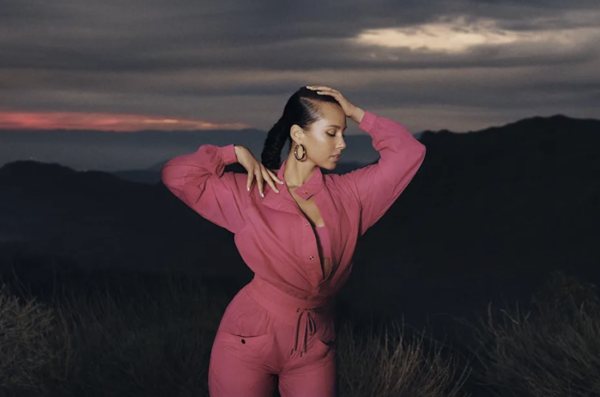
Alicia Keys is lending her powerful voice to a strong cause.
The 15-time Grammy Award winner has joined forces with Athleta to further their mutual commitment to women’s well-being.
As such, Keys has signed on to Athleta’s “Power of She Fund” grant program as a mentor and advisor. According to Athleta, Keys will also work with the brand to connect with women through “meaningful community conversations” in AthletaWell, the retailer’s digital community that supports women’s well-being.
And, on International Women’s Day, which is March 8, the duo will release the Athleta x Alicia Keys collection. Athleta, a division of Gap Inc., said the collection will have exclusive products co-created and co-designed by Keys, who worked alongside the brand’s all-female design team. Among the items, which will be available in sizes XXS-3X on athleta.com and at all Athleta retail locations, will be Keys’ favorite piece — a pink jumpsuit. More details of the collection will be released closer to the launch, according to Athleta.
“Alicia has made a powerful commitment to well-being and we are thrilled to welcome her to Athleta’s community of empowered women,” said Mary Beth Laughton, president and CEO of Athleta. “With a values-driven partnership like this one with Alicia, we are ideally positioned to continue to meet our customer’s needs in the well-being space and support her across all aspects of her life.”
“I was drawn to Athleta because we both want to encourage women to discover, accept and own their power,” added Keys. “We’re all about the uniqueness of women, body positivity and creating a lifestyle that showcases our immeasurable power within. It’s time to thrive – not just to survive – and my hope is that these offerings are another outlet for you to amplify your personal power, your possibility, and feel comfortable in your own skin.”
Keys joins a roster of powerful, like-minded partners, including Simone Biles and Allyson Felix.
Biles, a former Nike athlete and the country’s most-decorated gymnast, signed a long-term partnership with Athleta in April 2021. The deal includes a signature performance wear line designed with Athleta’s team and capsule collections for the company’s Athleta Girl sister brand.
Click here to read the full article on Yahoo! Life.

By Karla Walsh, Yahoo! News
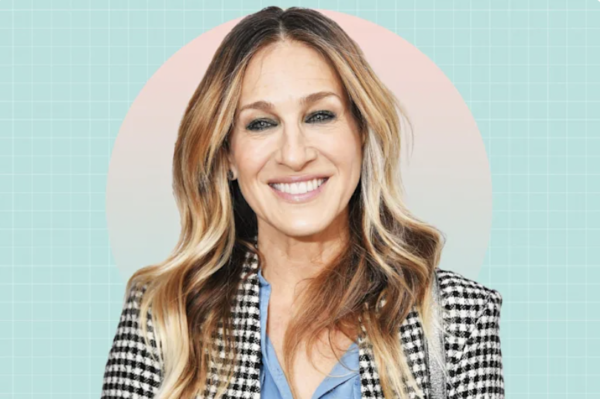
Since hanging up her Manolos in 2004 at the conclusion of her groundbreaking role as Carrie Bradshaw on Sex and the City (SATC), Sarah Jessica Parker has shown no signs of slowing. The 56-year-old actress and mom of 3 has since starred in movies (The Family Stone, Failure to Launch), appeared in guest stints on TV shows (Glee) and produced (Here and Now). Oh yes, and she partnered with husband Matthew Broderick to raise money for the Actors Fund amidst the COVID-19 pandemic, designed fashion for SJP boutiques, represented Garnier and launched a wine brand Invivo X, SJP.
And this year, she’s back to reprise her role and keep writing her story as Bradshaw on HBO Max’s SATC reboot And Just Like That.
No wonder Parker admits in her vulnerable and revealing January 2021 Grub Street Diet, “there is not typically a lot of regularity to my days. This is an unusual time because I feel like I actually have a conventional schedule, something I’ve almost never had for my entire life.”
She does have a few regular habits, however, including plenty of activity. But we’re not talking about crazy spin classes or boot camps…During an interview with The Doctors co-host Dr. Travis Stork, Parker shares that one of her keys to staying healthy is “I walk a lot…and I also live in a house with four or five flights of stairs.” She aims to hit 10,000 steps per day on her FitBit (buy it: $99.95, Target), and during summer, she loves swimming and kayaking.
So how does SJP stay so energetic to cover all of those steps in such style?
What Sarah Jessica Parker Eats in a Day to Stay Energized
Parker is not one for restrictive diets or detoxes, but she does have some very clear preferences. During Vogue’s “73 Questions with Sarah Jessica Parker,” the actress shared some hot takes about her favorite food (“Barbuto’s roast chicken”), least favorite food (“parsley”), what she loves on her pizza (“sausage, peppers, onions”), favorite drink (“Coca-Cola”), favorite dessert (“my sister’s brownies”) and dark or milk chocolate (“milk chocolate”).
The one food she needs to have every day? “I’m crazy for almond milk. I love it and can’t figure out if it’s thin and refreshing or thick like a milkshake. It’s like the gift that keeps on giving,” Parker tells Stork. (ICYMI, here are the 7 healthiest milks you can buy, according to dietitians.)
Her kitchen is always stocked with salami, artichoke hearts, hearts of palm, Finn Crisps original crackers (buy it: $35.54 for nine 7-ounce boxes, Amazon) and avocados (which her daughters especially adore).
“I would prefer to have salty things if I have to than sweet, but we also always have tootsie rolls and york peppermint patties,” Parker adds to Stork.
Read on for more about her (spoiler alert!) absolutely delicious daily menu.
Breakfast
“I don’t usually eat breakfast unless I’m shooting, and when I’m shooting, I have a full, massive, crazy breakfast. When I’m home and going to work on my own, I’ll get up really early and just have coffee,” Parker admits in her Grub Street Diet.
When she does eat an A.M. meal, it might be a bagel from her neighborhood bakery Bagel Buffet slathered with Kerrygold butter, mustard and salami with a banana, or a soft-boiled egg with salt and pepper plus some mango, avocado and cottage cheese on the side.
“I love Breakstone’s 2-percent-fat cottage cheese. Love. I don’t like nonfat, because I think, What’s the point? It breaks my heart,” she tells Grub Street.
Lunch
For lunch, Parker prefers a spicy tuna sandwich (tuna, jalapenos, hot sauce and pesto, between bread) and a power shake (banana, strawberries, vanilla milk and ice) from nearby cafe Joe & the Juice. She also occasionally enjoys leftovers from a dinner made earlier in the week.
This might include a soup, stir-fry or anything simmered up in her now Instagram-famous orange Le Creuset Dutch ovens (buy it: $370, Le Creuset).
Click here to read the full article on Yahoo! News.

By Nicholas Rice, People
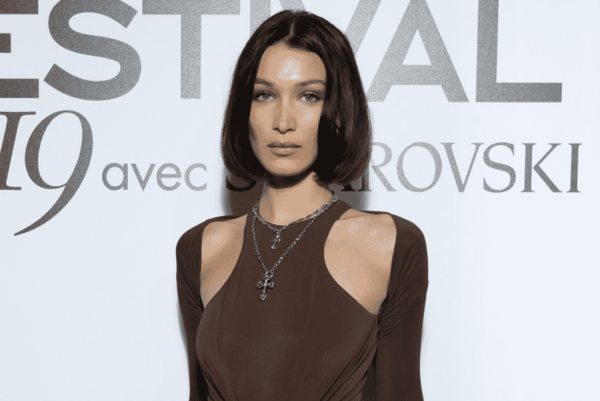
Bella Hadid is speaking honestly about her mental health.
The 25-year-old supermodel spoke to WSJ. Magazine for the publication’s “My Monday Morning” series, where she opened up about her mental health struggles, which she described as “excruciating and debilitating.”
When asked by the publication what her secret is to putting together her outfit in the morning, Hadid explained that she hasn’t had a stylist “in a long time, maybe two years now,” and she was “in such a weird place mentally that it was really complicated for me to get out of the house and put an outfit together, especially with the anxiety of [paparazzi] being outside and all that.”
But, after learning to deal with her anxiety and other mental health struggles, Hadid said she learned to embrace her fashion and dress in a way that makes her happy.
“In the last year, it was really important for me to learn that even if people talk about my style or if they like it or if they don’t, it doesn’t matter, because it’s my style,” she noted. “When I leave the house in the morning, what I think about is: Does this make me happy? Do I feel good in this and do I feel comfortable?”
In her interview with WSJ. Magazine, Hadid continued to chat about her own mental health, as well as what her thought process was behind an Instagram post she shared in November, where she posted a series of selfies of herself crying.
“I would have really depressive episodes and my mom or my doctor would ask how I was and instead of having to respond in text, I would just send them a photo,” she said. “It was the easiest thing for me to do at the time because I was never able to explain how I was feeling.”
“I would just be in excruciating and debilitating mental and physical pain, and I didn’t know why. That was over the past three years,” she continued. “[When I posted them] it was to make sure that anybody that was feeling that way knew it was OK to feel that way.”
Added Hadid: “Even though on Instagram things look so beautiful, at the end of the day, we are all cut from the same cloth. I felt like it was just good for me to be able to speak my truth and at some point I wasn’t able to post nice pretty pictures anymore. I was over it.”
Click here to read the full article on People.

By Stephanie Emma Pfeffer, People
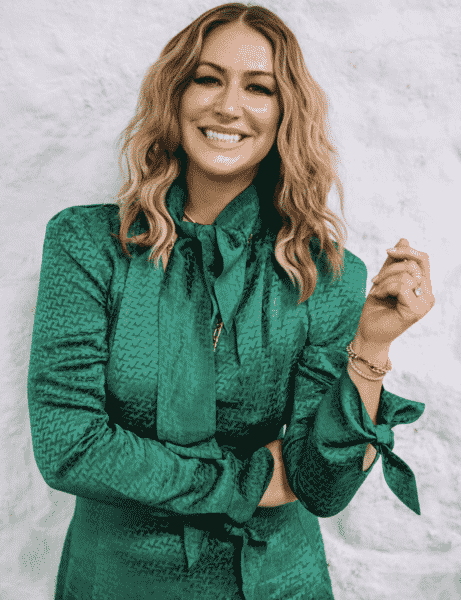
Karena Dawn doesn’t shy away from hard conversations.
The co-founder of Tone It Up is launching a new charitable organization, The Big Silence, to normalize discussions about mental health issues.
“I’ve been wanting to create a foundation and a resource for many years,” says Dawn, who was just 12 years old when her mom was diagnosed with paranoid schizophrenia and depression.
“[My mom] was in and out of the house many times, from being a missing person to being in the hospital,” Dawn tells PEOPLE exclusively. “And it was in the ’90s, so no one was talking about mental health.”
As a teenager, Dawn tried to research mental illness and schizophrenia at the library. “There were no resources out there for me to lean on,” she recalls. “It kind of sent me in a spiral of my own situational depression, drug abuse, suicide attempt and losing a lot of friends because no one around me was talking about it.”
That’s why she believes so strongly in offering support for those who are struggling. “There’s a stigma around mental health,” says the NYT bestselling author. “That is what The Big Silence is: It’s the thing you don’t want to talk about. At The Big Silence, we are here to break the silence.”
The content platform, which she leads with her sister Rachel Sahaidachny as executive director, is dedicated to normalizing conversations around mental health through online and social content, as well as a podcast hosted by Dawn.
“Because of my mom’s mental illness, I went through a really dark period — from about 12 years old until about 22,” she says. “I was at a breaking point.”
She found light again by focusing on fitness. “I was on a three-day bender and was thinking back about when I was my happiest,” she says. “It was when I was running, and I was active and I was working out.”
“At that time I thought, in my own depression, that I was going to end up like my mom, so I didn’t believe in myself.” But she decided to do something positive and signed up for a triathalon. “I trained my butt off and did the race,” she says. “I crossed the finish line, like ‘Wow, like I accomplished something.’ ”
From then on, she says, she wanted to teach people that movement is medicine, which led to her co-founding Tone It Up in 2009 and further dedicating herself to not only her physical health but her mental health as well, through self-help books, therapy and meditation.
Click here to read the full article on People.

By Leona Vaughn, Everyday Health
Three years ago, Hil Moss says she was lounging around, casually watching television and relaxing when she touched her chest and felt a lump. She was 28, and with no family history, she says her doctor reassured her that she had nothing to worry about. But after a few more appointments, they confirmed a diagnosis of breast cancer, likely caused by an ATM gene mutation they found.
After three years and a 14-month treatment plan — which included three months of chemotherapy, a double mastectomy, and a tissue-based reconstruction, later followed by hormone therapy — Moss, a student in the Yale School of Public Health in New Haven, Connecticut, and an advocate for cancer care, now considers herself a breast cancer survivor.
The American Society of Clinical Oncology (ASCO) defines survivorship as, “living with, through, and beyond cancer.” But some patients who get to the “beyond cancer” stage say they were unprepared for the toll this experience would take on their mental health.
When she was first diagnosed, Moss says she anticipated that the most difficult part of her experience would be receiving the treatment, but a fellow survivor warned her that it would actually be the months following her completion of it that would be the hardest. Sure enough, Moss says she found the first six months of her recovery period more mentally challenging than anything she had physically gone through, including the amputation of both her breasts.
“That just seems impossible to believe,” Moss says. “You’re in chemo, you feel horrible, how could it possibly be worse? But it kind of is. When you’re actively in treatment, you at least have this sense of what your day-to-day is, and sometimes that can feel like a safety blanket.”
“When you are removed from that, you are forced to essentially reckon with what’s happened. You have to come to terms with your own mortality,” Moss says.
Breast Cancer Survival Rates Are Increasing
Marleen Meyers, MD, a medical oncologist and the founding director of the Survivorship Program at Perlmutter Cancer Center at NYU Langone Health in New York City, says that breast cancer is a “hopeful cancer,” because more and more patients diagnosed with breast cancer are surviving, but that living through this experience “comes with a price.”
“I’ve been an oncologist for a long time, and early on, we were just happy that people survived,” Dr. Meyers says. “We didn’t really look at what their quality of life after survivorship was. I always like to say that the cancer treatment may be over, but the cancer experience is far from over.”
Experts say that the vast majority of patients struggle with mental health after receiving cancer treatment.
“There’s anxiety about what the next steps are, how they’re going to feel, how long it’s going to take for them to get better,” Meyers says. “The reality is, while you can give somebody an estimate, it’s impossible to predict.”
Click here to read the full article on Everyday Health.

By Rob Frehse, Kristina Sgueglia and Eric Levenson, CNN
New York City will get its first female police commissioner in the new year after Mayor-elect Eric Adams picked Nassau County Chief of Detectives Keechant Sewell to take over the nation’s largest police department.
“Keechant Sewell is a proven crime fighter with the experience and emotional intelligence to deliver both the safety New Yorkers need and the justice they deserve,” Adams said in a statement released to CNN on Tuesday. “Chief Sewell will wake up every day laser-focused on keeping New Yorkers safe and improving our city, and I am thrilled to have her at the helm of the NYPD.”
Adams, a retired NYPD captain who was elected mayor last month, formally introduced Sewell at a press conference in Queens on Wednesday morning. During the Democratic primary this summer, Adams embraced a public safety message and ran on a promise to beef up and reform the NYPD amid concerns over a recent rise in violent crime. Sewell will take over a department struggling to tamp down a startling rise in gun violence and murders since spring 2020. NYC has had 443 murders so far this year, surpassing last year’s total and a 45% increase from just two years ago, according to NYPD data.
Adams praised Sewell’s career with over 25 years of experience in roles including undercover assignments, overseeing gun suppression cases, hostage negotiations and commanding detective squads. Sewell has been with Nassau police on neighboring Long Island for over 25 years and was promoted to Chief of Detectives in September 2020, becoming the first Black woman to hold that role, Adams said.
She is a leader with a “full breadth of experience,” Adams said. “She didn’t sit behind a desk. She was out there learning the job and learning how to be better for the job.” The announcement of her impending appointment is “a powerful message to girls and young women across the city. There is no ceiling to your ambition,” he added. Sewell accepted the nomination and praised Adams in return for pledging during his campaign to select a woman to lead the NYPD.
“I am mindful of the historic nature of this announcement. As the first woman, and only the third black person to lead the NYPD in its 176-year history, I bring a different perspective, committed to making sure the department looks like the city it serves, and making the decision, just as Mayor-elect Adams did, to elevate women and people of color to leadership positions,” she said.
Sewell said she would be focused on stopping violent crime with an emphasis on guns, and she emphasized that public safety and police accountability were related challenges.
“I will have the backs of my officers, but they must have the backs of the public,” she said.
Emotional intelligence was a large theme throughout the press conference. Both Adams and Sewell cited this concept being enacted through policies that go beyond punishing people for crimes and looking at the needs that cause a given crime. An example would include getting shoplifters connected to services like food banks to address the reason why they did the crime in the first place.
“But that is a partnership that we must conduct by making sure my chief is connected with my chancellor [of Education] and making sure (she’s) connected with my other agencies so we will prevent the causes of crime,” Adams told reporters. Sewell will take over the top NYPD position from commissioner Dermot Shea. When she is sworn in next month, she will become the first Black commissioner since 1992, when then-Mayor David Dinkins replaced Lee Brown with Ray Kelly as the head of the NYPD. Adams will be inaugurated as mayor January 1, taking over for Bill de Blasio.
Click here to read the full article on CNN

By Lisa Respers France, CNN
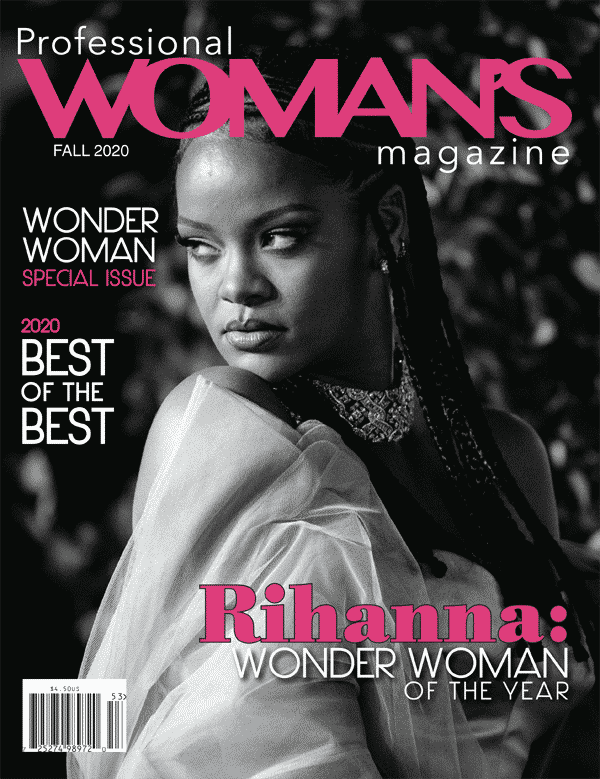
Rihanna’s homeland wants her to continue to “shine bright like a diamond.”
The singer was honored Monday in her native Barbados during its presidential inauguration, which served to mark the country becoming a republic.
Barbadian Prime Minister Mia Mottley told the crowd, “On behalf of a grateful nation, but an even prouder people, we therefore present to you the designee for national hero of Barbados, Ambassador Robyn Rihanna Fenty.”
“May you continue to shine like a diamond and bring honor to your nation by your works, by your actions and to do credit wherever you shall go,” Mottley said.
The makeup and fashion mogul was appointed as an ambassador of Barbados in 2018.
According to a statement from the Barbados Government Information Office released at the time, the position gives the celeb “specific responsibility for promoting education, tourism and investment for the island.”
She also became one of the Caribbean island country’s cultural ambassadors in 2008, doing promotional work for its tourism ministry.
In a move that received a great deal of support in the country, Barbados formally cut ties with the British monarchy by becoming a republic almost 400 years after the first English ship arrived on the most easterly of the Caribbean islands.
Click here to read the full article on CNN.

By Megan Marples, CNN
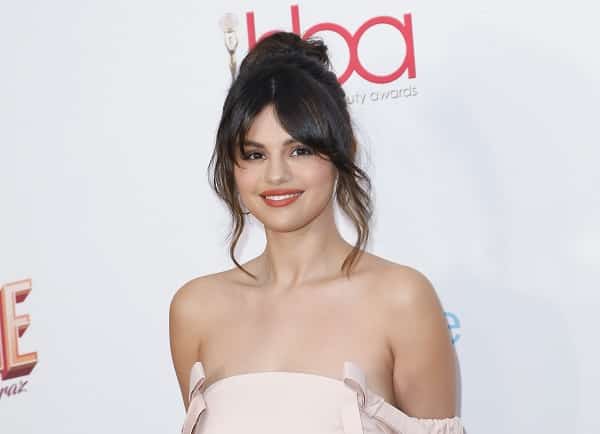
Talking about mental health is good for you, according to pop star, actor and producer Selena Gomez, and she’s determined to be the catalyst for positive change.
The “Ice Cream” singer announced the launch of her latest venture, Wondermind, a mental health platform focused on connecting people with educational resources and ending the stigma around mental illnesses.
She teamed up with her mother, Mandy Teefey, and The Newsette founder and CEO Daniella Pierson to create the media company, which is set to launch in February 2022.
Gomez hasn’t been shy when it comes to discussing her mental health publicly. She previously wrote for CNN about how she’s a “big advocate for social media detoxes” and therapy.
And she announced on Miley Cyrus’ Instagram show “Bright Minded” in April that she has bipolar disorder.
“I went to one of the best mental hospitals in America, McLean Hospital, and I discussed that after years of going through a lot of different things, I realized that I was bipolar,” Gomez said. “And so when I got to know more information, it actually helps me. It doesn’t scare me once I know it.”
Her mother revealed being misdiagnosed for over 20 years with bipolar disorder that later turned out to be attention deficit hyperactivity disorder, or ADHD, with trauma, according to the Wondermind website’s welcome video.
Pierson opened up in the video as well, saying she has dealt with obsessive-compulsive disorder since she was a child.
The three said they struggled to find a safe space online where they could engage with uplifting content about mental health on a daily basis. Enter Wondermind.
Click here to read the full article on CNN

By , Yahoo! Entertainment
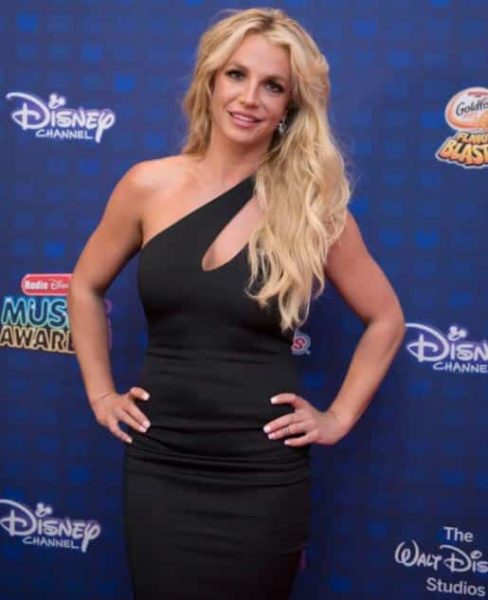
Britney Spears has spent the last three days blissfully happy following the termination of her 13-year legal conservatorship.
“What an amazing weekend … I felt like I was on cloud 9 the whole time !!!” Spears wrote Monday on Instagram. “I actually got my first glass of champagne at the most beautiful restaurant I’ve ever seen last night !!!! I’m celebrating my freedom and my B day for the next two months !!!!!!!!!!! I mean after 13 years … I think I’ve waited long ENOUGH !!!! I’m so happy my lawyer Mathew Rosengart came into my life when he did … he has truly turned my life around … I’m forever thankful for that !!!! What a sight seeing so many people celebrating my victory …. I love my fans so much … so thank you !!!!”
Spears has a lot of famous fans cheering her on, too, including Lady Gaga, Dionne Warwick, Jameela Jamil and Andy Cohen.
So what’s next for the superstar now that she’s free? As her lawyer said immediately after Judge Brenda Penny made her ruling in a Los Angeles courthouse, “What’s next for Britney, and this is the first time this could be said for about a decade, is up to one person: Britney.”
Here are a few things we know are on the horizon:
Planning her wedding
When Spears gave a shocking testimony in court in June, she flat-out said that she would like to “get married and have a baby.” And she’s moving ahead on that front.
She and Sam Asghari, the personal trainer and actor she has dated for four years, announced their engagement in September, less than a week after her father, Jamie Spears, filed a petition to end her conservatorship. “She would love a beach ceremony at a tropical destination,” a source told People at the time. “It will be a small wedding.”
Then, just last week, Spears said that designer Donatella Versace — a longtime friend — is already making the bridal dress.
On the family front, Spears had said in court that she had been forced to use birth control, but that obviously won’t be the case any longer.
Making her own medical decisions
Speaking of, Spears will also no longer have to take anything she doesn’t want to take, and that includes the antidepressant lithium. The singer said in a June hearing that it made her feel “drunk” and unable to have a conversation. But no more.
Harry Nelson, the founder and managing partner of Los Angeles-based law firm Nelson Hardiman, tells Yahoo Entertainment that, without a conservatorship over her person, Spears is free to make all her own health choices.
Driving whenever and wherever she wants
Spears was reportedly thrilled to be driving again, once her conservatorship allowed her to do so, over the summer, for the first time in years. (MTV’s 2008 For the Record documentary on Spears, filmed at the start of the conservatorship, contained a scene that showed her explaining that the last time she had felt free was when she had gotten to drive her car a lot.) So, of course, she spent her first free weekend cruising around by herself, too. According to TMZ, at one point, Spears drove her Mercedes to Catch restaurant in West Hollywood, where she had a date with Asghari.
That goes for shopping, too
Remember in July when Spears wrote about having splurged for new sneakers? Spears controls her own finances now, so she can look forward to as many new kicks as she’d like. Spears’s considerable assets are now being transferred from the conservatorship into a trust that she controls.
Nelson explains: “A trust is a highly flexible legal structure set up by a person to protect property assets. In setting up a trust, Britney can decide who the trustees of the trust, who will manage the trust, are, and who the beneficiaries will be. She can name herself as a trustee and a beneficiary, designate other trustees or beneficiaries, and change trustees and beneficiaries over time. She can set up the rules by which the trust is managed. Absent some dispute between trustees or beneficiaries, the trust is easy to manage. This is in sharp contrast to conservatorship, which is governed by the court and cannot be set up, amended, or removed without court approval. Conservatorships are only necessary when the person who is the subject won’t cooperate and is putting themselves at risk. The trust structure will allow Britney to protect herself, her children, and other loved ones, with the flexibility to make the structure work for her needs.”
Click here to read the whole article on Yahoo! Entertainment

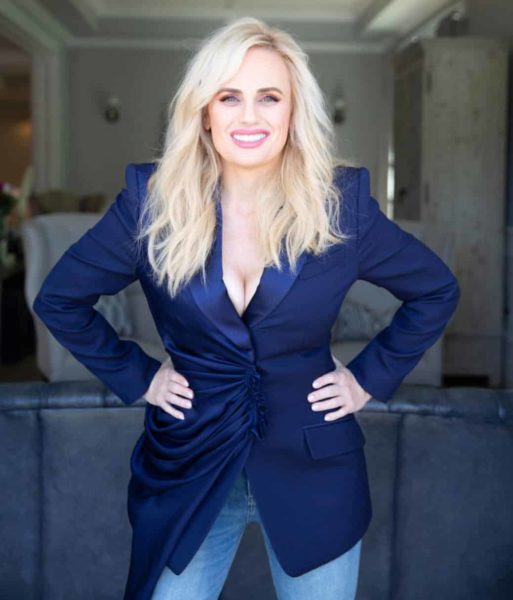
By Nicholas Rice, People
Rebel Wilson is looking back at how far she’s come after her recent weight loss.
While chatting with PEOPLE, the 41-year-old actress opened up about the feelings she experienced during her self-imposed “year of health” in 2020. “One of the emotions was that I’m sad I didn’t do it before,” she tells PEOPLE exclusively.
“Last year, I lost a lot of weight — close to 80 lbs. — and then I’ve maintained it for this year. [So] part of me was like, ‘Well, damn! If I could have done it before, should I have done it?'” she continues. “And I felt a bit sad about that point.”
Wilson said that it was partly do to a lack of faith in herself.
“I thought I was the person that [would] never do it,” she says. “Like, yeah, I can lose a few pounds if I try really hard one week and be really strict with myself, but then I’ll always gain it back. So I never thought that I could successfully do it.”
“Last year, I — for the first time ever — prioritized my health,” she continues. “And even though that was my 40th year, I was just like, it’s never too late to improve yourself or to improve your health.”
“I shouldn’t feel sad or beat up on myself because of that. I should just feel proud of myself for actually doing it,” Wilson adds.
Still, the Isn’t It Romantic star says she has “always been a very confident person,” and it’s not as though her weight loss has made her that way. “But you do feel better in yourself,” she explains.
“I’m not perfect, like, I still emotionally eat at times, there’s stressful things that still go on in my life and in my work that can be high pressure, … but I’m not perfect. I’ve [just] learned to manage things.”
Click here to read the full article on People.