






Tanya Acker, judge on CBS’s popular court show Hot Bench, and Indian American actress Emily Shah, starring in the Indian film, Jungle Cry, each bring a strong feminine perspective to their individual roles—both on screen and in their passion projects; Acker with the Boy Scouts of America and Shaw with UNICEF, both among others.
Professional WOMAN’s Magazine (PWM) caught up with Acker and Shaw and spoke with each on their backgrounds and interests as well as their latest endeavors.
Tanya Acker
Tanya Acker serves as one of three judges on CBS’s syndicated court show Hot Bench, created by Judge Judy’s famed Judy Sheindlin. The program returned for its fifth season last September, and was the #3 first-run program in daytime television, delivering 3.2 million daily viewers, during its 2017-2018 season.
Acker, who is a Yale School graduate, is an experienced civil litigator who has represented a wide array of clients, from major automobile manufacturers in high stakes product liability litigation to media companies in hotly contested trade secret disputes. While at Yale, she represented low-income women in family law cases and served as a teaching assistant in Constitutional Law and Civil Procedure courses.
Today, Acker serves on the boards of Public Counsel, the nation’s largest provider of free legal services; the Western Justice Center, which promotes alternative dispute resolution; the Western Los Angeles County Council of the Boy Scouts of America; Pacific Battleship Center, which operates the Battleship USS Iowa Museum; and Rainbow Services, which provides shelter services to victims of domestic violence.
PWM: How did you first become interested in law?
Acker: I’ve always been interested in how systems work. Law school was a great opportunity to decipher the world while at the same time ensuring I’d be able to make a living and support myself. My parents used to say that they lost the trust fund I never had ? I think it’s key that women have a plan for handling their lives.
PWM: What led you to be cast on Hot Bench?
Acker: CBS called me, Judy (Sheindlin) picked me. It was very exciting.
PWM: With more than 1,000 episodes finished, what has been your most memorable case/moment?
Acker: There are so many. Frankly, I never cease to be amazed at the attempts that people make to avoid doing something they should or to try to extract something from someone else that they don’t deserve. By the same token, I’m often pleasantly surprised by how generous people can be, both with their resources and their hearts. I think there are far more good people in the world than bad ones—it’s just that the bad ones make so much noise
PWM: How did you first get involved with the Boy Scouts of America? What inspired you to participate?
Acker: A local council (the Western Los Angeles County Council) had adopted an inclusive, non-discriminatory policy before the national body had, and they needed some legal and communications help and reached out to me. Since then, the Scouts have become more inclusive nationally and I’ve become involved nationally. I’m so proud of their work—the Scouts provide youth leadership training like no other. Scouting doesn’t just inspire young people to get involved and make an impact in their communities, it provides them opportunities to do that. We offer experiences to young people that they often wouldn’t have unless they come from really privileged environments, and I’m excited to be a part of the work.
PWM: How does it feel to be working with America’s first graduating class of female Eagle Scouts?
Acker: It is a moment that inspires me. Girls have long been a part of the organization—now they will have the opportunity to attain the rank of Eagle. It’s magnificent.
PWM: Why do you feel it’s important for women to be part of the Boy Scouts of America?
Acker: Because opportunities should be open for women to do what they want to do!
PWM: In your opinion, conversely, should men be allowed to join the Girl Scouts of the United States of America?
Acker: I’ll leave that to the Girl Scouts, another great organization. Smart women let other smart women make their own rules ?
Emily Shah
Emily Shah is a 24-year-old Indian American actress and the daughter of famed Bollywood actor and director Prashant Shah. The Chicago-born, New Jersey-raised actress grew up on set for her father’s films and always felt an infatuation with both production and acting. She has been preparing for her big break since the age of five by training in dance and theatre classes. Her first film, Fortune Defies Death, premiered in 2018 in which she played one of the lead roles, Mona.
As a teenager, Shah started working in local pageants, commercials, and doing print work for Indian American brands. She got a job on the set of Jersey Boys as an assistant to Clint Eastwood and later assisted in Captain America: The Winter Soldier, Monster Trucks, and Fast & Furious 7. A former Miss New Jersey in 2014, Shah is also the youngest contestant in the state’s history and the first Indian American at a Miss USA pageant.
Currently, Emily stars in the Indian film, Jungle Cry, which debuted at the Cannes Film Festival and received acclaim at the 2020 Sundance Film Festival. Based on a true story, the film follows a young team of rugby players who grow up in the slums of India and made worldwide history after winning the 2007 Rugby Nations Cup in England. Shah plays the team’s physiotherapist.
PWM: You have an extensive background in dance and working in local pageants, among others. You also mentioned you’re influenced by your multicultural background. Can you tell us more about that and what inspired you to pursue acting?
Shah: I always loved performing since I was a toddler. I got into dance at a very young age which lead to theater. I did local plays within my community and absolutely thrived whilst acting. I knew that it was my passion to perform for an audience and as I got older, I realized that because of my background, I wanted to reach an audience on an international level…what better way to do so then film? Especially in today’s digital age, the global audience is highly accessible and that excites me even more.
PWM: Can you tell us about Jungle Cry and your character in the film? What inspired you to take on the lead role?
Shah: Roshni is not only the sports physiotherapist. She is a mentor, a leader and a strong woman taking on a career in a male dominant field. Women in sports tend to have to deal with proving themselves in ways men don’t have to and we catch a glimpse of that in Jungle Cry. My character is the element that breaks down barriers while shining a light on the potential that these tribal and orphan boys have. I wanted to play Roshni because I knew that the film needed a woman’s dynamic. It gave me the opportunity to own my power as a female lead as well as giving a voice to women in the sports industry.
PWM: Jungle Cry is based on a true story. How was your experience portraying your character, how did you prepare?
Shah: Roshni is actually the only fictional character in Jungle Cry. The writers and director wrote her in specifically because there were no females in the original story from 2007, but that is not the world that we live in today. Today, women absolutely have a stance in the sports field and that should not go unnoticed. The film was also very male driven and it was missing the element of a feminine touch. I shadowed a rugby sports physio who was Canadian-Indian and studied/ worked in the UK with rugby players after graduating. That’s exactly what my character did as well. She studied in the UK, specifically focusing on rugby. I also did a lot of research about the actual sport, its origin and the most common injuries. I would prep with the on-set medic before a scene to make sure I was physically taking the correct steps while treating players.
PWM: Tell us about your experience as an upcoming actress in a typically male-dominated field. Do you face any challenges, and if so, how do you overcome them?
Shah: In almost any industry, women, especially of color, tend to face more challenges than males do. We live in a unique time where women are generating a voice and are standing their grounds on equality. It is inspiring to be an actress with everything going on in the entertainment industry at the moment, but I know my generation needs to do more to have actors of different ethnicities represented. I already notice the changes happening but I think we can do more. I hope one day, I can be in the producer’s chair, creating content that gives opportunities to diverse actors and talent.
PWM: We read you’re a UNICEF, Autism Awareness, and Alicia Rose Victorious Foundation ambassador. What have you accomplished through this, and are there other organizations you’re partnering with?
Shah: During the year that I campaigned with UNICEF’s End Polio campaign, India became Polio free. That was a huge accomplishment and I know UNICEF continues to strive to make other countries Polio free. I have worked with several charities over the years but during my time at The Alicia Rose Victorious Foundation, we raised over $2.5 million dollars and set up lounges in 38 different states. These lounges are able to make teenagers feel more comfortable while being treated at a pediatric hospital. We were also able to hold a “Prom Night” at the North Central Bronx hospital for the teenagers who couldn’t attend their own prom. It was a beautiful event. Working with several platforms has always been a goal of mine. Also, I hope to continue my work with UNICEF, specifically focusing on helping women in India.
PWM: What are some of your upcoming projects or films?
Shah: I am reviewing a few scripts at the moment, all which cater to international audiences.

Gal Gadot on Sunday announced her casting as Cleopatra, queen of Egypt, a new version of the tale famously told in the 1963 Elizabeth Taylor classic.
“As you might have heard I teamed up with @PattyJenks and @LKalogridis to bring the story of Cleopatra, Queen of Egypt, to the big screen in a way she’s never been seen before,” Gadot tweeted. “To tell her story for the first time through women’s eyes, both behind and in front of the camera.”
In 2017, Patty Jenkins directed “Wonder Woman” with Gadot in its titular role and the two women will join forces again for the epic historical dramatization.
Laeta Kalogridis, screenwriter of “Shutter Island” and “Alita,” will also join “Cleopatra.”
“For the little Greek girl from central Florida who ran around in a cape pretending to be Diana of Themyscira, there’s only a LITTLE pressure here,” Kalogridis tweeted, adding that Cleopatra was her “favorite Ptolemaic Pharoah and arguably the most famous Macedonian Greek woman in history.”
Gadot ended with a shoutout to #InternationalDayoftheGirl, which fell on Sunday: “We hope women and girls all around the world, who aspire to tell stories will never give up on their dreams and will make their voices heard, by and for other women.”
The announcement stirred some controversy online over Gadot’s Israeli nationality, perhaps linked to the long-contentious relationship between the two modern nations.
Egypt and Israel signed a peace treaty in 1979 and have maintained open borders since. However, some on Twitter complained that filmmakers were whitewashing history with Gadot’s casting.
Others pointed out that Cleopatra, Queen of Egypt, was of Macedonian descent, a modern country whose people today are identified as European.
Writer and media critic K. Tempest Bradford tweeted out a “heavy sigh” over the controversy.
“I feel the fight that’s about to happen coming on and I am already ready to scream,” Bradford wrote.
“Cuz some folks are gonna be like: but Cleopatra was Black this is whitewashing! Others will be like: Cleo was Greek, so shut up! And both camps will be both right and wrong.”
Twitter user @BlackMajicMan90 said “Gal Gadot deserves this role,” saying, “Cleopatra was Greek.”
“Yes, she was an Egyptian ruler but she was Greek with Persian and Syrian ancestry. The people who are reacting negatively that to this are uneducated and uninformed.”
Stacy Schiff, Pulitzer Prize-winning biographer and author of “Cleopatra: A Life,” detailed her understanding of the Queen of Egypt’s lineage.
“Of the 15 or so Ptolemaic marriages that precede Cleopatra’s, at least 10 are between siblings. Two others are between blood relatives as well,” Schiff told NBC News. “In other words, there’s next to no chance that Cleopatra had anything other than Greek Macedonian blood.”
Schiff said in the historical record there is barely any mention of an Egyptian mistress in Cleopatra’s ancestry, though there “may have been a Persian princess in the mix,” she said.
Continue on to NBC News to read the complete article.

Each year, companies graduate from the U.S. Small Business Administration’s Business Development 8(a) Program, with the potential and capabilities to grow into successful businesses.
SBA’s 8(a) Program helps firms develop and grow through one-on-one counseling, training workshops, management and technical guidance. It also provides access to government contracting opportunities, allowing the companies to become solid competitors in the federal marketplace. In fiscal year 2018, small businesses received more than $17.6 billion in 8(a) contract dollars.
Enter The ELOCEN Group, which is the first name spelled backwards of the owner, Necole Parker Green, who started the company in her parent’s basement in 2006. The ELOCEN Group is a woman- and minority-owned construction company specializing in construction, consulting and design services for federal and commercial clients.
One of the biggest challenges for Necole was gaining equal respect and access to the same opportunities as her male counterparts in the construction industry. Necole entered the SBA’s 8(a) Program in 2009. While in the program, Necole said, “We’ve been able to regularly exceed targeted goals, consistently increase staffing year over year, and leverage relationships established throughout our engagement with SBA.”
The SBA certifies socially and economically disadvantaged small businesses under its nine-year 8(a) Business Development Program. Individuals who are members of certain minority groups are presumed socially disadvantaged. These groups include African Americans, Hispanic Americans, Native Americans, Asian Pacific Americans and Subcontinent Asian Americans. Firms owned by Alaska Native Corporations, Indian Tribes, Native Hawaiian Organizations, and Community Development Corporations are also eligible to participate in the program.
Necole has since graduated from the 8(a) Program and believes it was instrumental to her growth. The proof is in the pudding. The ELOCEN Group has received more than $140 million in federal contracts throughout its tenure in the 8(a) Program.
Necole has now established a joint venture agreement with the SBA’s All Small Mentor-Protégé Program and has partnered with large prime contractors on other federal contracts. In 2015, the SBA named The ELOCEN Group DC’s Small Business Person of the Year.
Necole has been an American Express Summit for Success ambassador at their annual events, providing business insight to entrepreneurs on becoming a trusted government contractor, growing to scale and successfully navigating the complexities of working with large firms.
Today, The ELOCEN Group’s core values continue to include operating with uncompromising integrity, showing a commitment to building synergistic “win-win” relationships, offering unparalleled excellence in service through partner collaborations, and melding growth opportunities into demonstrated best practices.
Small businesses interested in the 8(a) Program should contact their local SBA district office to attend an informational session.
More information and an online 8(a) application are available at: sba.gov/8abd/.

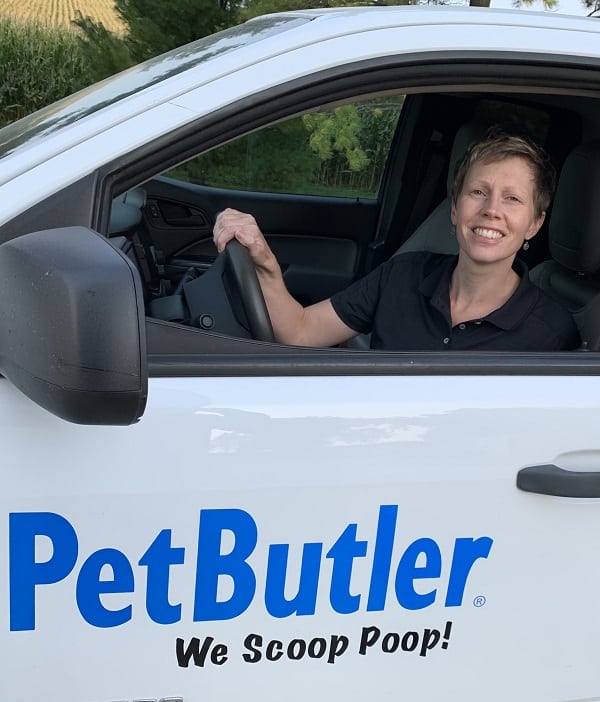
Although Kelly Amundson loved her 16-year career as an occupational therapist, she realized in 2019 that the time had come to help husband Marty manage the family farm and his lawn care businesses.
It would allow her to spend more time working towards a common goal alongside her husband and also allowed her to run and operate one of the newest, hottest franchise concepts Pet Butler with their location serving all of South Eastern Minnesota. All this and more time to spend her family in general.
“I learned so much in my career working with teenagers and young adults in the areas of mental health experience and many lessons about teamwork, dealing with whole families and working towards a common goal. It was all invaluable. And now I am using those skills to run my own business, and my husband’s lawn care businesses.”
Husband Marty has worked in lawn care for 19 years, initially starting his own lawn mowing business up years before with Kelly’s brother. The team serviced residential and commercial properties. He began moving into providing fertilization and weed control programs for these local customers and realized there was so much more to a good lawn care business than mowing lawns. When approached by top lawn care franchise Spring-Green Lawn Care, based in Plainfield, Illinois five years ago, Marty decided the time was right to add this proven concept to his already existing Green Edge Lawn Care. At one of Spring-Green’s conventions he was introduced to a new concept the parent company had acquired, Pet Butler.
Pet Butler provides pet waste removal and other pet related services to homes and multi-family communities, also offering a variety of scheduling options. The business model is also set up to add expanding services such as; pet sitting and pet shuttles. The franchise offers large, protected territories that foster scalable growth and strong recurring revenue.
Said Kelly, “Marty has been blessed with the courage to take risks, to start business’, and with the opportunity to hire good staff and delegate work. Now we get to have a hands-on opportunity to start a new business together with Pet Butler, working off of Marty’s experience, corporate’s assistance, and my willingness to take on something out of my comfort zone. This will be a chance to promote more personal growth, and an opportunity to provide jobs for more people as the business grows. This will be another business we can begin as a legacy for our family. We feel our children have a lot of great learning opportunities here at home.”
About Pet Butler
Pet Butler Franchise was acquired in 2017 by Spring-Green Enterprises, the parent company of +43 years old Spring-Green Lawn Care and SGE Marketing Services. They currently have 30 franchisees located in 25 states with long term plans to open 60 more within the next 5 years. Pet Butler provides an opportunity for pet lovers to turn their passion for pets into a business. To learn more about how Pet Butler serves pets and their people, visit www.petbutler.com and connect on Facebook and LinkedIn. To inquire about a franchise call 844-777-8608 or go to www.petbutlerfranchise.com.


Amy Grace Collins loved her work through Amy Grace Events. She was doing incredible corporate events and weddings for organizations and couples at the most amazing venues in California and Michigan, with the very best in everything—food, flowers, music, photography, videography and more.
But she saw a trend that concerned her with the dream weddings she was helping California brides make a reality: They wanted $60,000 events when they could barely afford $15,000, so they were headed out of Santa Barbara to less expensive destinations, like the dessert of Palm Springs.
“My background is in finance, so I’m acutely aware that the money goes where the trends are,” said Collins, a NAWBO-Central Coast California member, who currently resides with her family in Michigan but works in California as well. “I started looking for an option to keep Santa Barbarians in their local town.”
Part of an international mastermind group of wedding planners, Collins began sharing her thoughts on calls. She learned that a fellow planner in Australia was in the process of implementing pop-up weddings. The concept was that several couples would have their wedding at the same location, on the same day, enjoying the same vendor resources—just in their 3- to 5-hour window and with a small group of friends and family in attendance.
While the concept would take some time to tweak for the American market, Collins knew she was onto something big.
“I reached out last summer to all my vendor friends saying, ‘I have this crazy idea…’ We talked about it and I ran every financial number I could,” says Collins. “There are a lot of models out there that undercut the vendors, so they only do the events on off-days.
“But couples want a Saturday or Sunday wedding for less, so we created these and started working on marketing them in February.”
Then COVID-19 hit. “There were brides booked for March and April who were stuck in contracts and out $60,000,” said Collins, adding that the biggest engagement season is between Thanksgiving and Valentine’s Day and brides usually start reaching out to wedding planners in the spring…and it’s been silent.
Collins’ thoughts immediately turned to the women who are part of MasterBrides—her other business, which is a free, online community for brides to learn about weddings from an industry veteran. She knew these women didn’t have tens of thousands of dollars to lose. Also, would it even possible for them to plan their weddings in the age of Coronavirus with so many unknowns from state to state, especially in California and Michigan, that tend to be among the strictest? Amy began sharing her research and expertise in blogs like, How Do I Know If I Should Cancel or Postpone My Wedding? and The Phased Strategy to Open America: What Does This Actually Mean for My Wedding? By the response she received from brides, it was clear it was time to pivot and focus on pop-up weddings. Her own industry, on the other hand, wasn’t so thrilled about what she was putting out there, but Amy felt strongly it was the right thing to do.
Today, that honest, timely communication has paid off. Amy is now offering pop-up weddings where she leverages the cost of a $60,000 wedding and distributes it three ways between couples so they can have stunning weddings for a fraction of the price. These are all-inclusive, with 90 percent of the decisions already made. She just helps each couple finalize the personalization aspects to make it their own event.
There are other advantages to this model, too. For one, it’s recommended that the guest list is small with just 40-80 people. In this time of social distancing, that’s the perfect size. Also, it’s environmentally friendly. Whereas before, thousands of dollars on everything from flowers to food would go to waste after one big event, now several couples are taking advantage of the same resources.
“I think this will completely shift the mindset of brides,” Collins says. “To see the couples’ expectations from 2002 when I first started, to 2020 is mind-blowing—it’s the same amount of money with way different expectations. This is really resetting the industry so that couples are having a wedding within their means.”
Collins is equally excited about another outcome: A focus on the ceremony more so than the party. “I have always been frustrated by the lack of reverence given to the ceremony portion of the wedding,” she explains. “To have people now see the importance of the actual ceremony and license and how it affects so much in their life, from health care to taxes to immigration. It’s so much deeper and I think we, as an industry, will be appreciated in such a different way. I look forward to that.”


The Women Presidents’ Organization (WPO), in collaboration with American Express, recently released the 13th annual ranking of the 50 Fastest-Growing Women-Owned/Led Companies. The companies on this year’s 50 Fastest list span a range of industries, including healthcare, technology, and consulting. From January to December 2019, the 50 Fastest generated a combined $3.8 billion in revenue and collectively employed more than 17,000 people.
“The 50 Fastest Growing Women Owned/Led Companies are a trailblazing group of women who are leading some of the most successful businesses around the globe,” said Jessica Ling, Vice President and General Manager, Marketing Strategy, Content and Experiences at American Express. “I was thrilled to have the opportunity to speak with some of these business owners and learn more about the creative ways they’ve pivoted to not only keep their businesses running but also to support their employees, customers and communities through these trying times.”
At the annual WPO conference, held virtually on July 22 and 23rd, Jessica spoke with four of the 50 Fastest Awardees for a fireside chat on the topic of resilience and leading in uncertain times. Asma Ishaq, CEO of Modere, Patricia Bible, Founder and CEO of KaTom Restaurant Supply Inc., Jenelle Coy, Founder and Managing Partner of Spero and Sujata Stead, CEO of Cambridge Boxhill Language Assessment, shared their advice for navigating these unprecedented times.
When asked what advice they would give business owners that are looking to grow, especially in today’s climate, each provided key insights and personal anecdotes for growing and remaining resilient through the pandemic.
Asma Ishaq of Modere, ranked third on the list, said that it’s important to double down on existing customers.
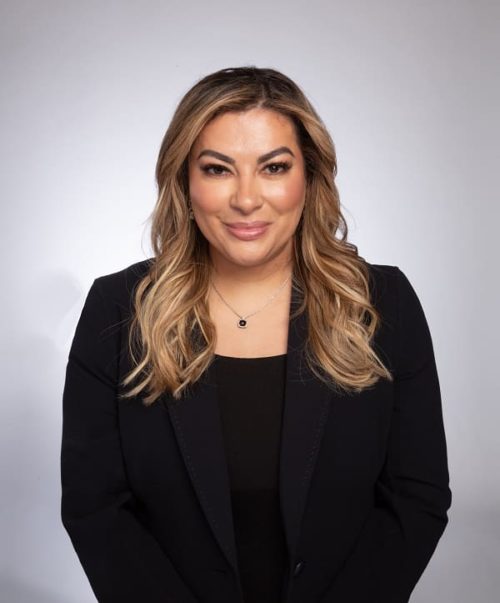
“This is a time when you can develop a deeply impactful impression on customers. We have done everything we can to show our customers that we’re in this together, and they have gone to great lengths to reciprocate their loyalty,” says Asma.
“It is more efficient and less costly to retain customers than it is to acquire them. We felt a need to prove to our customers that we value their business and well-being.”
When asked the same question, Jenelle Coy of Spero, number seven of the list, said, “Passionate optimism and confidence are must-haves no matter what current circumstances you’re experiencing. Have a Deja vu mindset that you’re starting your business all over again and reevaluate your strategy, staffing and operations from the ground up to compete and thrive in the new normal.”
When asked the same question, Jenelle Coy of Spero, number seven of the list, said,
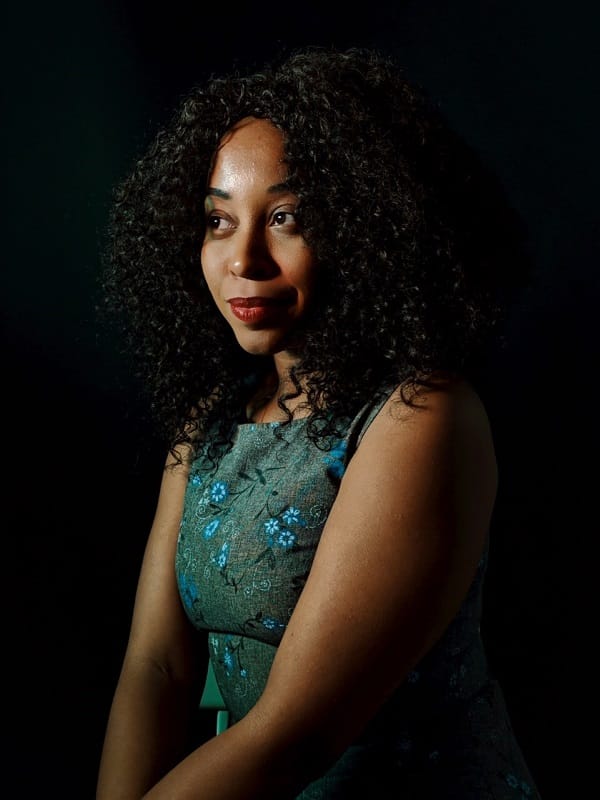
“Passionate optimism and confidence are must-haves no matter what current circumstances you’re experiencing. Have a Deja vu mindset that you’re starting your business all over again and reevaluate your strategy, staffing and operations from the ground up to compete and thrive in the new normal.”
Patricia Bible provided insights into what KaTom Restaurant Supply Inc., number 10 on the list, is doing to support both staff and customers in this challenging time. “KaTom has taken on the approach of looking internally first,” said Patricia.
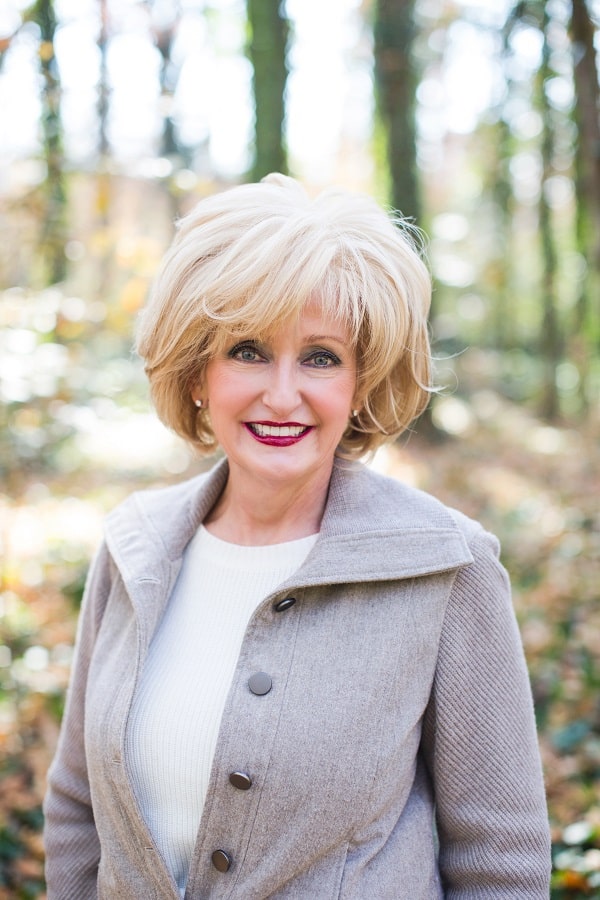
“We look at all our associates as customers first and if they are happy then our customers are happy. We’ve taken extreme measures including additional training for staff to help mitigate the fears that so many are struggling with and to also give them confidence when speaking with their customers. We have found that investing in employees pays tremendous dividends.”
Patricia went on to explain how impactful her staff has been. “With 53 percent of our operating force being millennials, we do a lot of listening as they bring invaluable direction.”
“Firstly, you need to have passion and believe in your business as well as what you stand for and the value you offer to your customers,” said Australia-based Sujata Stead, ranked number 15 on the list.

Building an organization and turning it into a profitable and sustainable enterprise requires a phenomenal amount of hard work so you need to love what you do – whether it’s your product or service, customers or staff - this will make the journey worthwhile.
“Secondly, it is important to build organizational resilience and agility. We are living in a world that is increasingly volatile, uncertain, complex and ambiguous. This means we need to be able to pivot at short notice and have the ability to evolve. As an organization, you have to have passion for what you do, the community you serve and the ecosystem you’re part of.”
The businesses on the 50 Fastest list have demonstrated the true meaning of resiliency during the current climate.
For more information on this year’s 50 Fastest, click here.


“Watchmen’s” Regina King made history at the 72nd Emmy Awards Sunday.
King’s win for lead actress in a limited series or movie for her portrayal of Angela Abar (a.k.a. Sister Night) in the HBO superhero drama is her fourth career Emmy. This ties the record held by Alfre Woodard for most acting Emmys won by a Black performer.
Created by David Lindelof, “Watchmen” is based on the acclaimed comic book series by Alan Moore and Dave Gibbons but is not a direct adaptation. It is more like a sequel that follows new characters such as King’s Sister Night.
This “allowed me to tap into all those things I think are just wonderful about being a Black woman,” King previously told The Times. “[T]he blueprint that was the inspiration for Angela was probably every Black woman that ever was.”
In addition to being recognized for her performance in “Watchmen,” King has previously won the lead actress in a limited series or movie Emmy in 2018 for “Seven Seconds.” In 2015 and 2016 she won in the supporting actress in a limited series or movie category for her performances in “American Crime” (playing different characters each time). King has five career Emmy nominations so far.
Woodard, who has earned 17 Primetime Emmy nods, won in 1984, 1987, 1997 and 2003. These recognitions were in the supporting actress in a drama series category for “Hill Street Blues,” guest performer in a drama series (before there were gender-specific categories) for “L.A. Law,” lead actress in a miniseries or special for “Miss Evers’ Boys” and guest actress in a drama series for “The Practice.”
The other Black actors with four Emmy wins each are Chris Rock and Bill Cosby, but their awards include non-performance categories. Rock has won three Emmys in writing categories (1997, 1999 and 2009) in addition to his variety, music or comedy special win in 1997 for “Chris Rock: Bring The Pain.” Cosby, who is currently serving time after being convicted of sexual assault in 2018, won three consecutive lead drama series actor Emmys for “I Spy” (1966-1968) and in the variety or musical program category in 1969 for “The Bill Cosby Special.”
Continue on to the LA Times to read the complete article.


“She’s younger than Baby Yoda and she already has an Emmy,” Jimmy Kimmel said after a visibly shaken Zendaya, 24, became the youngest Emmy winner for best lead actress in a drama for her role as Rue on HBO’s “Euphoria.”
The breathless actress, who was surrounded by a semicircle of teary-eyed supporters and wearing a crystal bandeau top with a billowing black-and-white polka-dot skirt, clearly had not prepared an acceptance speech.
“This is pretty crazy,” Zendaya said as she clasped her hands over her statuette, as though hardly daring to believe it was real.
The Disney-actress-turned-drama-star beat out the decades-older counterparts Jennifer Aniston, Olivia Colman, Sandra Oh and Laura Linney to claim the crown — not to mention the incumbent winner, Jodie Comer, who set the record last year when she won for “Killing Eve” at age 26.
“Thank you to all of the other incredible women in this category,” Zendaya said. “I admire you so much.”
“Euphoria,” a drama series created by Sam Levinson about high-school students who navigate love, sex, drugs and identity conundrums, premiered on HBO in June 2019. It received six nominations this year, though Zendaya’s was the only one for acting. HBO announced last year that the series had been renewed for a second season.
The actress said she was inspired by others her age who were working to make a difference in the world. “I just want to say that there is hope in the young people out there,” she said. “And I just want to say to all our peers out there doing the work in the streets: I see you, I admire you, I thank you.”
Continue on to the New York Times to read the complete article.

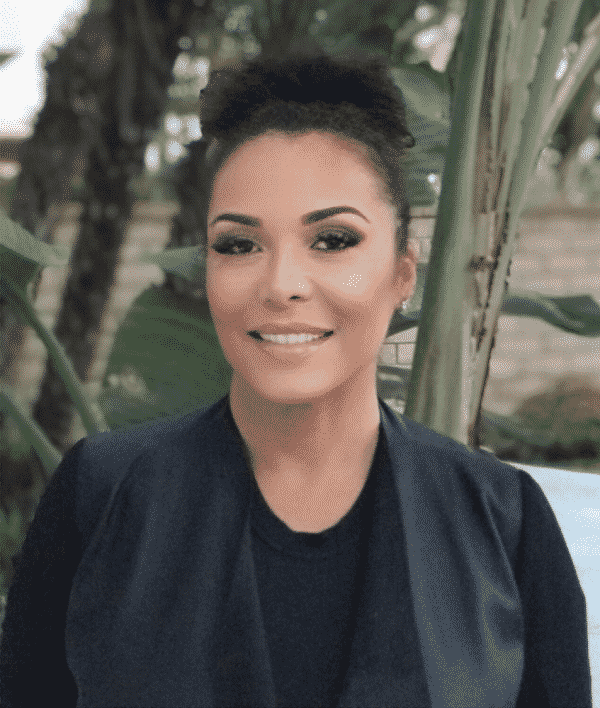
For some, working in the time of the Coronavirus meant putting the brakes on a fast-paced schedule to follow stay-at-home health orders in an effort to slow the spread of the virus. For others, relocating from the office to working from home meant shifting into overdrive to keep pace with a new normal.
Transportation executive Christine Keith knows what it’s like to live in the fast lane 24/7 while keeping a successful business going and sheltering in place.
Keith is the president of Elite Auto Network Corporation, an auto brokerage firm serving individual clients, public agencies and corporations. Keith’s husband, Todd, founded Elite as a college student in 1987. Keith saw an opportunity to expand Elite’s clientele with a niche market that other auto brokers had overlooked – businesses in need of fleet vehicles. She developed Elite’s commercial division, which handles the fleet vehicle requirements of private, local and state government agencies. Her accounts include Los Angeles Metropolitan Transportation Authority (LA Metro), Southern California Gas and the nationwide chain of Davey Tree Expert Company.
Elite Auto Network wasn’t Keith’s first time growing a business through identifying an unfilled market demand. Her father operated a 12-room health clinic in the Boyle Heights community of Los Angeles. Keith frequently accompanied her father to his clinic and later became a physician. The community’s need for affordable healthcare led Keith to expand her family practice into a free clinic. Eventually, the Los Angeles Mission, which had been renting a few of their rooms, offered to lease the entire clinic. Keith agreed and took some time off to learn the operations of her husband’s auto brokerage business. That was 11 years ago.
In March, as schools closed and the quarantine forced most offices to shut their doors, Keith prepared for her staff to work remotely. She readied packets with essential work documents, such as forms and reference guides, for employees to take home. She also issued everyone a desktop computer and had an internet technology professional to secure the system.
“I did all the things we needed to do so we can keep on moving forward remotely,” said Keith.
The mother of two children, ages 13 and 8, now works 12 hours a day and is the primary caretaker for her 93-year-old father. It may be counterintuitive, but Keith says she gets more done each day working from home, now that she has blocks of uninterrupted time.
“I’ve accomplished a lot more because I’m not so distracted with office meetings and people coming in and out asking questions,” said Keith. “So, I’ve been able to focus on things that I’ve wanted to get done.”
Although Keith is one of the lucky ones whose business increased during the pandemic, there are a few key elements that she says put her business in a position to prosper.
The right attitude.
Keith said there are always plenty of things to complain about, but staying grateful is her biggest motivator. She always believed that there were still deals to be made. “I’m a very determined person and it’s just in me to be positive all the way through any situation,” said Keith. “I really believed that our business would flourish and it has.”
Network and education.
When Keith started the commercial fleet division of Elite Auto Network, she didn’t know anything about doing contract work. She certified the business as a Woman Minority Business Enterprise (WMBE), Small Business Enterprise (SBE), Disadvantage Business Enterprise (DBE) and a Local Business Enterprise (LBE). She began going to seminars, conventions, chamber of commerce events, and joined the Southern California Minority Business Development Council. “I said I was going to learn everything I could about contracting and I did,” said Keith.
The first contract she landed was with Davey Tree Expert Company, a large nationwide landscaping company. They have a huge fleet in California and Elite Auto Network provided a lot of their vehicles.
Following-up on bids.
After being awarded a contract with Davey Tree Expert Company, Keith continued submitting bids for work with the State of California and Los Angeles County. If she was not awarded the contract, she immediately followed-up to receive feedback on her proposal. She advises other companies that want to be awarded contracts to do the same.
“Always ask ‘why?’ If you lose a bid, you can’t just walk away, because there’s going to be another opportunity and you have to make sure you don’t make the same mistake again.”
Information gained from lost bids enabled Keith to learn how to prepare proposals, what customers are looking for and what was important to them.
Being prepared.
Keith said it is important for your business to look professional to attract the right clients.
“Your website has to look professional and your business card should match your website and your capabilities statement. All of these things are a reflection of the company you want to portray,” she said.
Keith recommends spending the extra money to work with a graphic designer to create a signature brand. A well-rehearsed elevator pitch is also an essential business tool.
“You have to build that image because that’s how you’re going to attract people to do business with you.”


The energy industry is one of the largest in country, and employs millions of people around the world. In addition, energy is also wide ranging and includes not just oil and gas, but also renewable sectors, like solar, hydrogen, wind and other emerging technologies. Yet, it is also one of the least diverse, according to the American Petroleum Institute (API), who reports that nearly 75 percent of employees are white.
This is especially true in the highest levels of management at the utilities and major oil companies. Alternative industry fairs slightly better with middle management and below, but has the same representation of women and underrepresented groups as traditional oil and gas, where nearly 90 percent of leadership is white.
But these numbers are not news, and the lack of diversity in the energy sector has long been reported. Still, not much progress has been made in terms of the hiring and promotion of women and people of color. Many mature industries find it difficult to adapt to changes in the workforce, often struggling to find the optimal balance between entry level and experienced workers. For the past several years, Energy has had a particularly challenging time attracting new talent. Years ago, companies like ExxonMobil had their pick of the top candidates from the best schools—now these graduates are more likely to work for Silicon Valley tech giants like Apple, Google, and Facebook, or create their own startup. Whenever the largest companies are having a hard time finding talent, you know there is a problem. Perhaps making things even worse, is the Great Crew Change, which refers to the large age gap in the workforce brought on by the upcoming waves of older workers reaching retirement age and the scarcity of workers under the age of 35. Many young people just don’t want to work in the same industries as their parents and grandparents. In addition, energy has seen more than its share of problems dealing with both racism and sexism, both contributing to why young people shy away from jobs in these fields.
So, what is the solution? First, the energy industry has to come to terms with the fact that their lack of available talent is their NUMBER ONE barrier to future growth. Innovation in the areas of emerging technology demands more workers than are currently available. To fill these jobs, we must hire or train to be hired, more women and people of color. Simply put, our current efforts are not sufficient for future needs. The next step is to invest in organizations that are successful in doing this right now. Millions have been spent talking about the lack of diversity, now it’s time to spend money on creating sustainable solutions to fix this problem. That means looking at the ENTIRE talent pipeline. While it’s critical to address the issues of attracting new workers to the field, if we don’t solve the problem of why underrepresented people don’t stay and are not promoted to senior levels, then we really haven’t accomplished much, especially since we don’t have the luxury of failing at this. How much untapped talent is being lost because of systemic discrimination keeping people from reaching their highest potential? What innovations could be discovered if this industry supported EVERYONE at the same level?
Because the fields are wide open, there are tremendous opportunities for women and people of color to advance in the clean energy and renewable sectors. Thanks to the effects of COVID and geopolitical instability around the world, oil and gas will undoubtedly never be the same. Many of the jobs lost are never coming back. A large number of workers will need to pivot to other types of jobs to stay employed. As the needs for the products they produce continues to decrease, others like biomass and hydrogen fuel cell, will rise as they continue to get cheaper and easier to produce. Partnerships between industry, academia and government can play a large role in educating new workers to these fields, but they can’t do it alone. Grass roots efforts via non-profit participation (and funding thereof) are key to helping to promote these opportunities to underrepresented communities. They can also work to ensure there are clear, distinct and attainable paths that exist to not just senior leadership in energy, but entrepreneurship as well. The future of energy is dependent on harnessing this untapped potential.
Risk Intelligence solutions are powered by BWise technology and support companies of all sizes through a wide range of deployment models, from on-premise implementations to out-of-the-box SaaS solutions streamlining single initiatives to complex integrated GRC projects. BWise is proud to be the GRC vendor of choice for many diverse energy and utility companies. This includes regional utilities and energy suppliers, pipeline and distribution business, oil and natural gas exploration, and large, multi-national gas and oil suppliers.

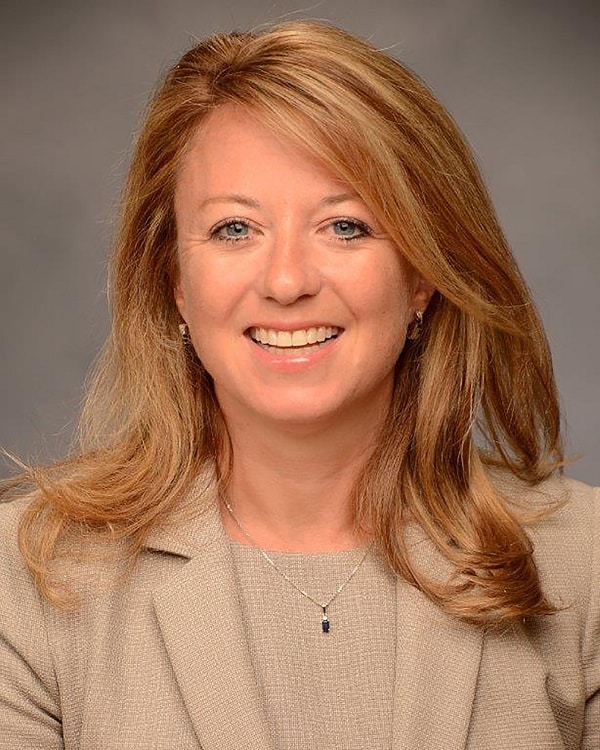
By Roxanne Martinez, Chief Human Resources Officer for DentaQuest
COVID-19 has touched every U.S. industry, business and employee in multiple ways. Some are dealing with tragic losses. Many are experiencing significant financial consequences. Nearly all are coming up with new strategic plans to face an uncertain future. Through it all, business leaders are looking for new ways to keep employees connected and engaged.
As a purpose-driven leader in oral health, DentaQuest places a high premium on employee engagement. We take pride in how we communicate with our teams and regularly measure engagement and employee well-being. And we are serious about the plans we develop to drive improvements to our processes and systems. Like many organizations, our executive team started the year with a clear set of ideas about work we would do in 2020 to improve our employee experience. Then, in mid-March, everything changed. The pandemic hit, threatening the health and well-being of our communities and creating a completely different experience for the vast majority of our employees.
So, what has COVID-19 taught us about employee engagement?
Communication Is Key
Our movement of all but a few essential employees to remote work settings revealed some outdated communication practices and gaps in our ability to quickly reach employees with important messages. But we were quick to address and remedy these problems. In less than 48 hours, we implemented a new texting service for emergency updates and office opening and closing notifications. We changed the cadence of our internal e-newsletter from weekly to daily, providing shorter, more frequent updates. We introduced bi-weekly virtual CEO Connect meetings to enable two-way communication between our employees and leaders. We also created an internal site to serve as the go-to place for company-wide news, local and national COVID-19 updates, public health regulations and technical support guides. We all got a lot more comfortable with Microsoft Teams. And then we measured. Through a series of six pulse surveys, 91 percent of employees told us that our efforts were helping them stay engaged and informed.
Flexibility Is Critical
While many may yearn for a return to business as usual, we understand that our ‘new normal’ will require ongoing adjustment, adaptation and learning. And we’re using input from our employees to drive and enable those changes. Our review of hundreds of surveys showed that employees needed more support with work-life balance. In response, we accelerated our Employee Assistance Program services, including new stress management offerings, and enabled managers to support their teams with more flexible schedules and work arrangements. When employees said they needed work-related items left behind in our offices, we orchestrated collections days so they could safely retrieve essential tools and supplies and be more comfortable and productive working from home. And we introduced new benefits, including identity theft protection services, discount buying programs, and even began offering pet insurance to better support the whole employee. As we begin planning for a future return to offices, we will again survey each employee on their preferences and will use their input to drive decisions. This will ensure that employees have a strong voice in their future work environments.
Managers Drive Engagement
We already understood the important role managers play in driving and improving employee engagement, but the business challenges created by COVID-19 required us to take an even closer look at how we support our managers so that they can effectively support their teams. Following each management team meeting, we distribute a toolkit that includes a summary of key take-aways and next steps to help managers take an active role in their team’s overall well-being. This is by no means a ground-breaking practice. Bringing more rigor to the process and the timing of distributions, however, is helping managers understand what they can expect and when. And this helps them more effectively manage through some of the new and unpredictable issues they are currently facing as part of a new remote workforce. Longer-term, we’re working to build new leadership capabilities for the remote workforce of the future.
As we continue to live and work through the pandemic, each of us is on a different track and schedule. Companies that are willing to rethink what they know about employee engagement and apply the lessons they learned from COVID-19 will be in a stronger position post pandemic. And their employees will recognize and remember the way they were supported during a global health crisis.